Protein Levels and Their Effect on Flour Performance


Protein Levels and Their Effect on Flour Performance
Sediroglu Group provides advanced protein-controlled flour milling solutions designed to maintain consistent protein distribution, extraction, and flour performance. Optimized cleaning, conditioning, grinding, sifting, purification and automation support product-specific flour requirements.
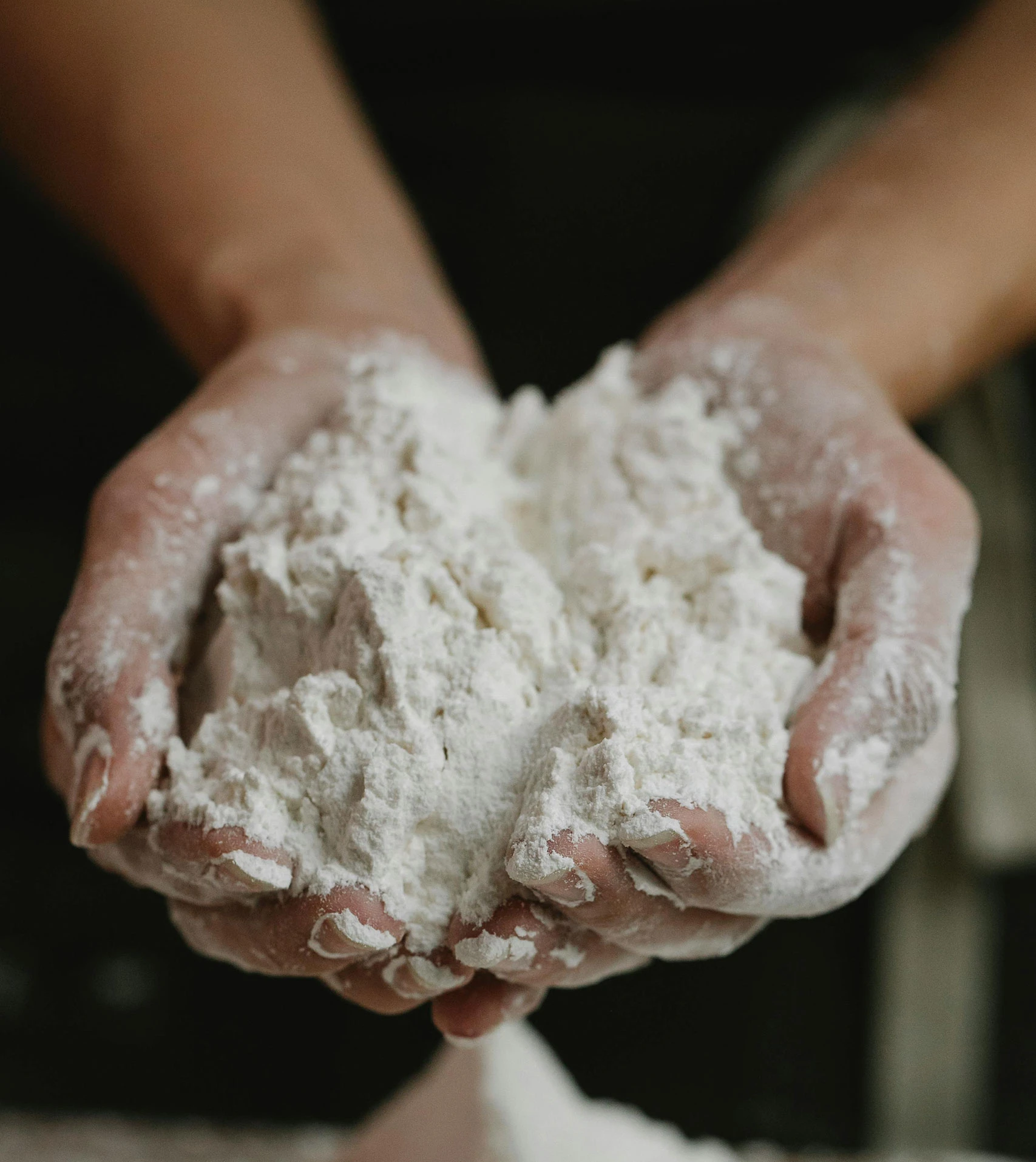

Advanced Protein-Controlled Flour Milling Solutions
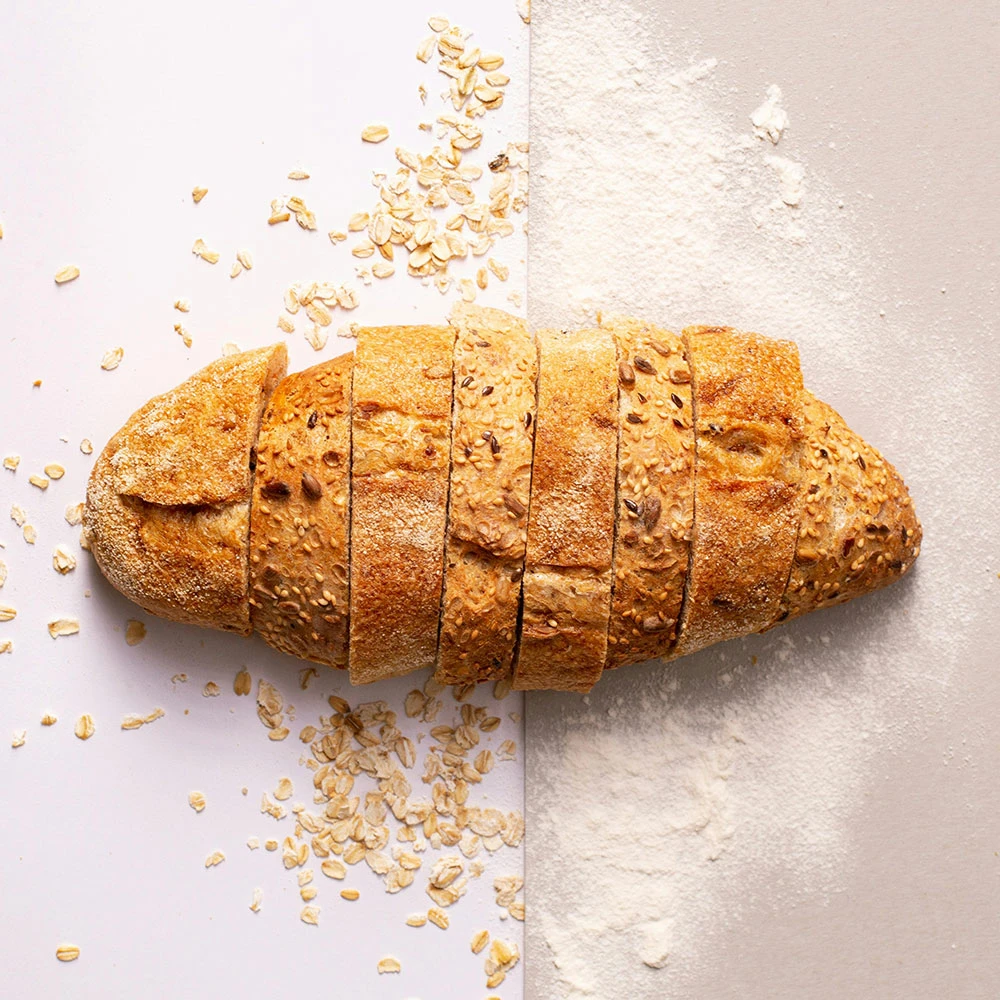
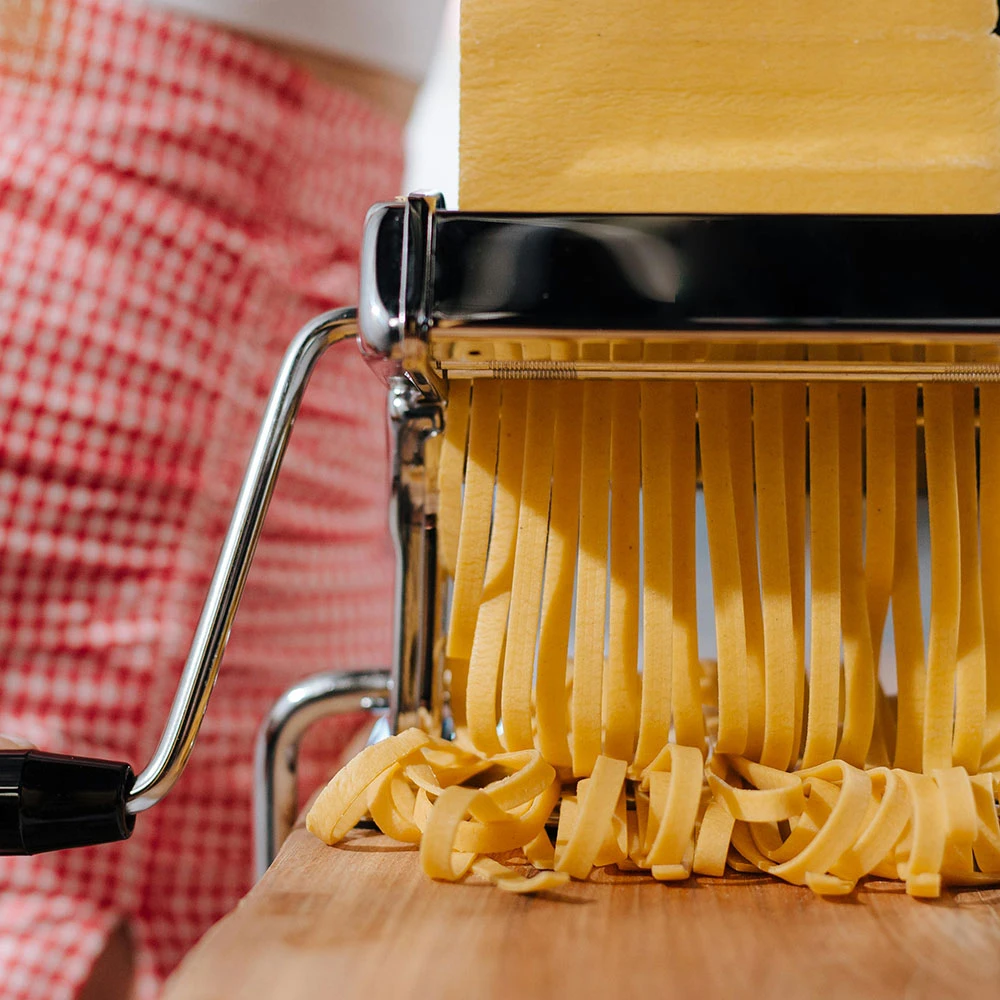
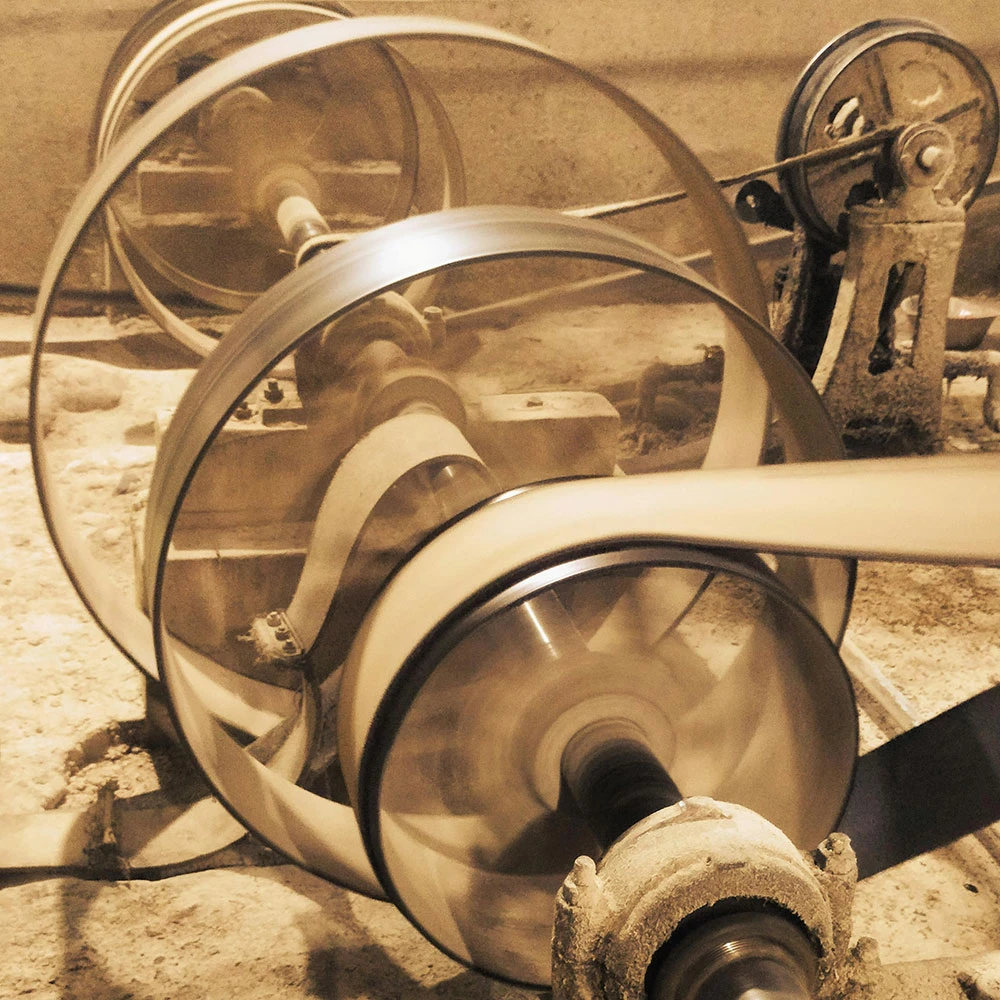
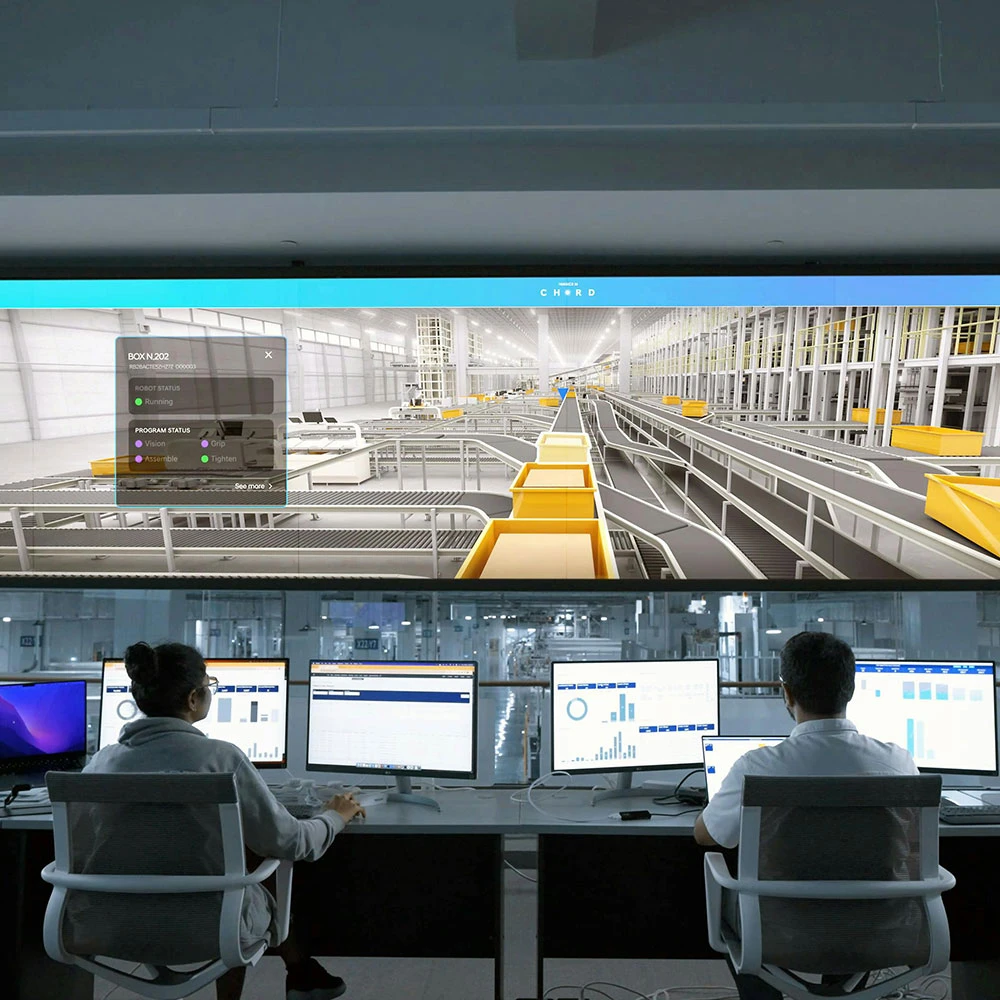
Sediroglu Group provides advanced protein-controlled flour milling solutions designed to produce consistent flour characteristics for different end products. Bread, cake, pastry, pasta, and biscuit flours require specific protein levels and functional properties, making precise process control essential. Our systems combine wheat cleaning, conditioning, tempering, controlled grinding, sifting, and purification to support efficient protein distribution and stable flour quality. Roller mills and plansifters enable controlled particle separation and extraction, while automation and process monitoring help maintain consistent milling conditions despite variations in raw material characteristics. Sediroglu Group delivers flexible milling solutions for producing high-, medium-, and low-protein flours, helping flour producers meet demanding quality specifications and achieve reliable performance for bakeries and food manufacturers worldwide.