- Sediroglu Group
- 01 April 2026
How Does a Vitamin Dosing Machine Work? Complete Industrial Guide
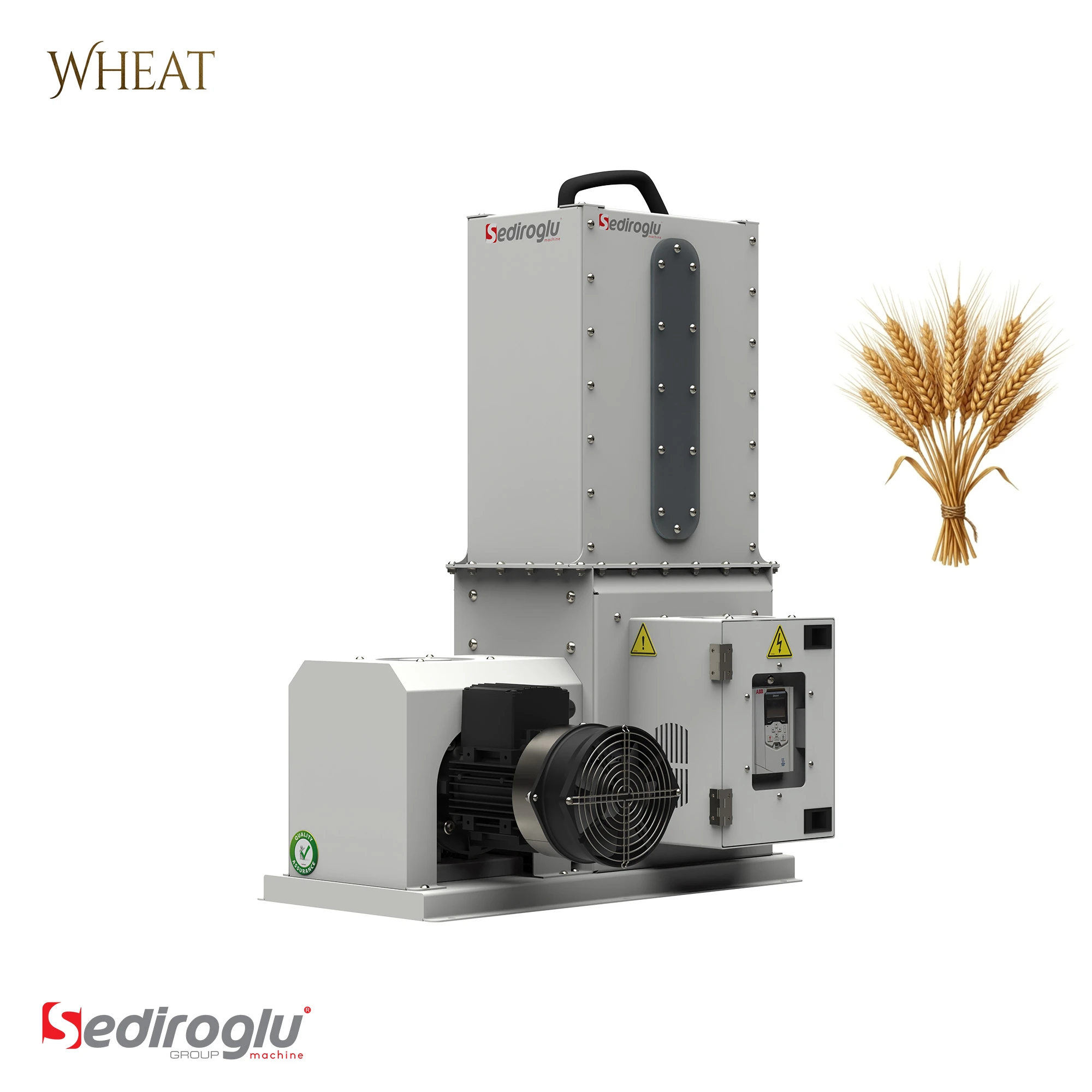
A Vitamin Dosing Machine plays a critical role in ensuring that these materials are added accurately, consistently, and efficiently into the main production line.
Also known as an Additive Dosing Machine, Flour Vitamin Doser, or Micro Ingredient Dosing System, this technology is widely used in flour mills, food processing plants, and chemical industries.
What Is a Vitamin Dosing Machine?
A Vitamin Dosing Machine is an industrial system designed to dose small quantities of powder or granular materials into a main product flow within a specific time and capacity range.
These machines are capable of handling:
• Powder additives (vitamins, enzymes)
• Granular materials
• Micro ingredients in precise ratios
👉 For industrial applications, the Vitamin Dosing Machine is one of the most critical components in achieving production accuracy.
How Does a Dosing Machine Work?
The working principle of a Powder Dosing Machine is based on a screw (auger) mechanism.
1. Material Storage (Hopper System)
The additive material is stored in a hopper. Maintaining the correct level inside the hopper is crucial for consistent dosing performance.
Low material levels can lead to:
• Inaccurate dosing
• Flow interruptions
• Measurement deviations Micro Ingredient Dosing System
2. Auger (Screw Conveyor) System
The core of the Micro Ingredient Dosing System is the screw conveyor.
This rotating screw:
• Transfers material from the hopper
• Controls the dosing rate
• Ensures continuous flow
Different screw sizes (W10, W24, W40, etc.) allow the machine to operate at various capacities.
3. Motor and Speed Control
The dosing capacity is controlled by adjusting the motor speed.
Modern systems use:
• Frequency converters
• Adjustable speed drives
• Precision control panels
This allows operators to:
• Increase or decrease dosing rate
• Optimize production efficiency
• Maintain consistent output
4. Output and Integration
The dosed material is transferred directly into:
• Main screw conveyors
• Mixing systems
• Production lines
This ensures homogeneous distribution across the final product.
Importance of Calibration
Calibration is one of the most critical steps in operating a Flour Vitamin Doser.
Since different materials have different:
• Density
• Flowability
• Particle size
The system must be calibrated whenever:
• A new additive is used
• Material type changes
Why Precision Dosing Matters
Using a high-quality Additive Dosing Machine ensures:
• Accurate nutritional content
• Reduced material waste
• Consistent product quality
• Compliance with production standards
Conclusion
A Vitamin Dosing Machine is a critical component in any production line where precision and consistency matter. From food production to industrial applications, these machines ensure accurate dosing of micro ingredients, improving both quality and efficiency.
If you want to improve your production accuracy and reduce waste, investing in a reliable Micro Ingredient Dosing System is essential. Vitamin Dosing Machine
Blog Latest Posts
Flour Mill Grinder

Mill Grains | Grain Milling Machines & Processing Solutions