- Sediroglu Group
- 04 September 2026
Flour Milling Machine | Equipment & Turnkey Flour Mills
Flour Milling Machine
A flour milling machine is part of an integrated processing system designed to transform wheat and other suitable grains into flour through controlled cleaning, preparation, grinding, sifting, purification, conveying and packaging stages. In a modern industrial flour mill, producing consistent flour requires much more than simply grinding grain. Every machine must operate as part of a carefully engineered process.
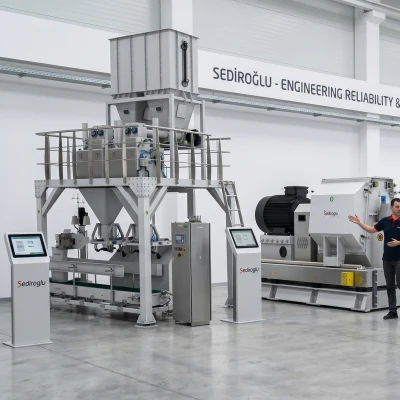
SEDIROGLU GROUP designs and manufactures flour milling machinery and develops complete turnkey flour mill plants with production capacities ranging from 45 to 500 tons per 24 hours. Projects can cover the complete production facility, from grain receiving and storage to cleaning, milling, sifting, flour handling, packaging, laboratory equipment, automation and final commissioning.
Our solutions are developed for wheat flour mills, durum wheat processing and semolina plants, corn flour mills and breadcrumb production plants. Each project is engineered according to the raw material, required final product, production capacity, available site conditions and customer requirements.
What Is a Flour Milling Machine?
The term flour milling machine can refer to an individual machine used during flour production or, more broadly, to the machinery that forms an industrial flour milling line.
A modern flour mill machine does not work independently. Wheat passes through several coordinated processing stages before becoming finished flour. Grain must first be received, stored, cleaned and prepared. It is then progressively ground and sifted to separate flour, semolina, bran and other fractions. The resulting products are collected, conveyed, stored and prepared for packing.
For this reason, an efficient flour mill requires a complete combination of flour milling equipment, including grain cleaning machines, wheat preparation equipment, roller mills, plansifters, purifiers, conveying systems, aspiration equipment, flour handling systems, packing machines and laboratory equipment.
The performance of the complete system depends on how effectively these machines are selected, arranged and integrated.
How Does a Wheat Flour Milling Machine Work?
Industrial wheat milling is a progressive process. Instead of grinding wheat in a single step, a wheat flour milling machine system gradually opens the wheat kernel, separates the endosperm from bran and reduces the required fractions to the desired particle size.
The general process can be organized as:
Grain Receiving → Storage → First Cleaning → Second Cleaning & Conditioning → Milling → Sifting → Purification → Flour Collection → Conveying & Storage → Weighing & Packaging → Quality Control
Each stage has a specific role in maintaining production stability and final flour quality.
1. Wheat Receiving and Grain Storage
The process begins when wheat arrives at the flour mill. An efficiently designed receiving system allows raw grain to be unloaded and transferred into appropriate storage.
Grain storage is an important part of a complete flour mill plant because different wheat lots may need to be stored and managed according to their characteristics and production requirements.
SEDIROGLU GROUP can integrate grain receiving systems, conveying equipment and steel grain silos into turnkey flour milling projects. This allows the production process to be planned from the moment raw wheat enters the facility.
2. First Cleaning Section
Raw wheat can contain dust, straw, stones, metal particles and other foreign materials. The first cleaning section is designed to remove these unwanted materials before wheat enters the more precise preparation stages.
Depending on the project, cleaning systems may incorporate equipment for screening, aspiration, stone separation, magnetic separation and other cleaning operations.
Efficient cleaning protects downstream flour mill equipment, improves process hygiene and prepares the grain for controlled milling.
3. Second Cleaning and Wheat Conditioning
After preliminary cleaning, wheat proceeds to more detailed cleaning and preparation.
Machines such as destoners, aspiration equipment, wheat scourers, magnetic separators and other grain-cleaning systems can be selected according to the process design.
Moisture preparation and conditioning are also critical steps in wheat milling. Controlled dampening helps prepare the bran and endosperm structure for subsequent milling.
The exact preparation process depends on wheat characteristics and the flour specifications required by the customer.
The Milling Section: The Heart of Flour Production
After wheat has been cleaned and properly conditioned, it enters the milling section.
The objective is not simply to crush the grain. Modern wheat milling machinery progressively reduces the kernel while allowing useful fractions to be separated and processed under controlled conditions.
Roller mills perform successive grinding operations. After each relevant grinding stage, the product is classified so that suitable fractions can proceed to subsequent milling or purification stages.
This progressive approach allows the mill to achieve controlled particle reduction while supporting the required flour characteristics and extraction strategy.
Roller Mills
Roller mills are among the principal machines in an industrial wheat flour mill. They process prepared wheat and intermediate milling products through successive grinding passages.
The number and arrangement of passages depend on plant capacity, process design, wheat characteristics and final product requirements.
A properly engineered roller milling system must operate in coordination with feeding, aspiration, sifting and conveying equipment. This is why selecting an individual industrial flour mill machine without considering the complete process is rarely sufficient for a large industrial project.
Plansifters and Flour Sifting
Sifting is essential after grinding.
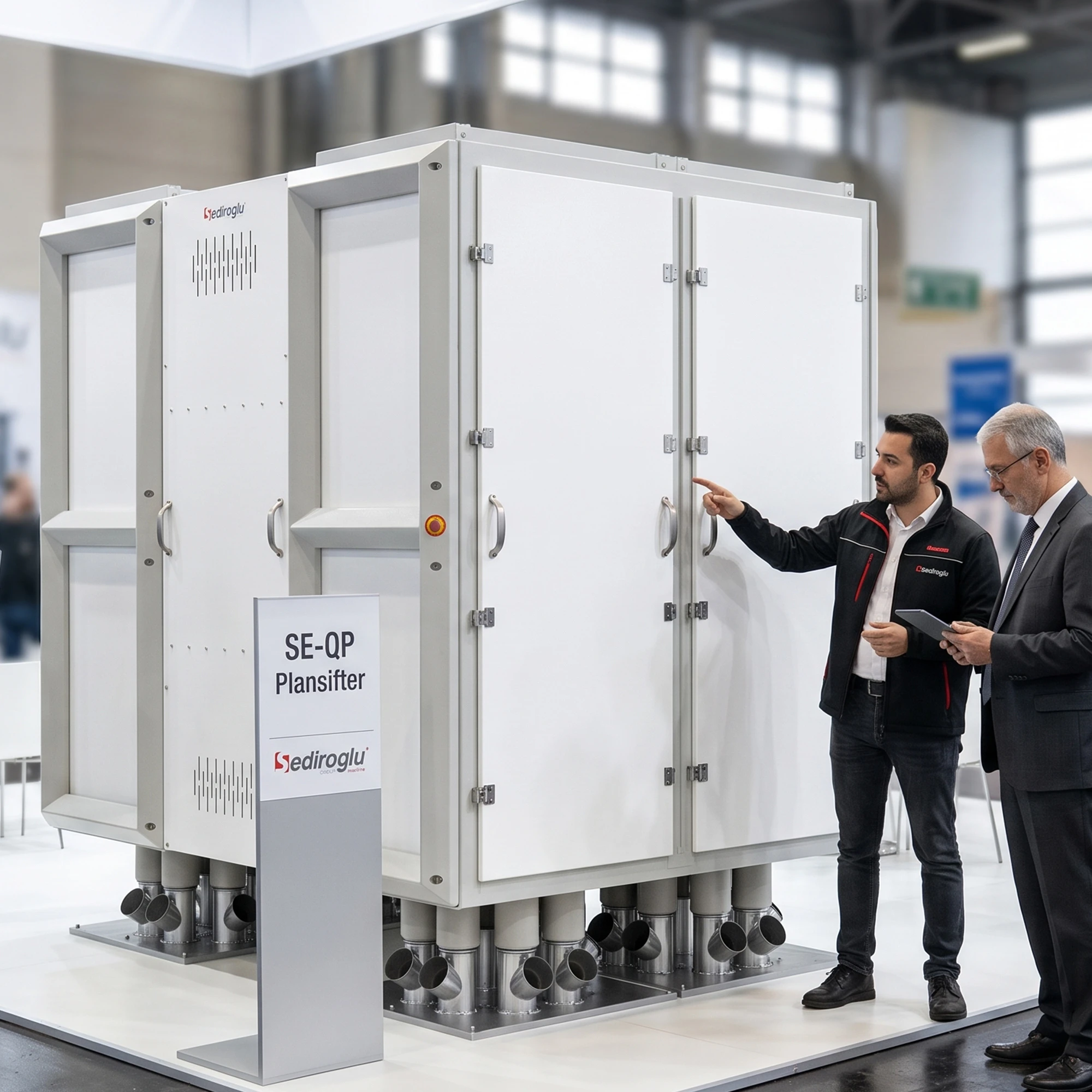
Plansifters classify the milled product into different particle-size fractions. Material suitable as flour can be separated, while other fractions can be directed to additional grinding or purification stages.
Modern plansifter systems therefore play a central role in the overall efficiency of flour production machinery.
SEDIROGLU GROUP manufactures different plansifter and control sifter configurations for flour and semolina processing applications.
The selection of a plansifter depends on factors such as mill capacity, number of passages, process diagram, available installation space and required classification performance.
Semolina Purification
Purification becomes particularly important when processing semolina-rich intermediate products and durum wheat.
Semolina purifiers use controlled separation principles to improve classification and help separate useful semolina fractions from bran and lighter particles.
In durum wheat processing, the configuration of the milling and purification system is especially important because the desired final product may be semolina rather than conventional bread flour.
SEDIROGLU GROUP develops machinery and complete processing solutions for both wheat flour production and durum wheat semolina plants.
Flour Collection and Product Handling
Once flour has been separated, it must move through the facility without disrupting production.
An industrial mill may use different mechanical and pneumatic conveying solutions depending on the product, route, capacity and process requirements.
Typical material-handling equipment can include:
- Screw conveyors
- Tubular screw conveyors
- Bucket elevators
- Chain conveyors
- Pneumatic conveying systems
- Product flow pipes
- Flour distributors
- Bunkers and collection systems
Reliable conveying is an important part of flour milling equipment because every processing section depends on controlled material flow between machines.
Aspiration and Dust Control in Flour Mills
Aspiration is another important component of an industrial flour mill.
Air systems are used at different processing points to support cleaning, separation, pneumatic handling and dust management. Depending on the plant design, an aspiration system may incorporate fans, filters, cyclones, aspiration channels, rotary airlocks and associated piping.
The system must be engineered according to the processing line rather than treated as an isolated machine.
Properly designed aspiration contributes to stable processing conditions, cleaner material handling and efficient operation throughout the plant.
Flour Storage, Weighing and Packaging
Milling does not end when flour leaves the plansifter.
Finished flour must be collected, transferred and stored according to the production configuration before being prepared for dispatch.
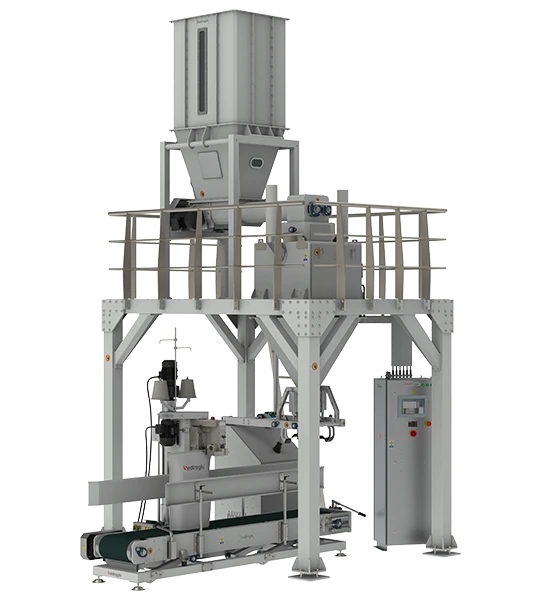
The packaging section can integrate weighing and flour packing equipment according to the required bag format and production system.
SEDIROGLU GROUP manufactures industrial packing systems that can be integrated directly into complete flour mill projects. This makes it possible to coordinate the production line from raw grain receiving through to the final packed product.
Laboratory Equipment and Quality Control
Quality control is an integral part of modern flour production.
Laboratory equipment allows mill operators to evaluate wheat, intermediate products and finished flour according to relevant quality parameters.
For this reason, laboratory machinery should be considered during project planning rather than added as an afterthought.
A complete SEDIROGLU GROUP project can include the required laboratory equipment together with the main processing machinery, automation and electrical systems.
Complete Flour Milling Equipment for an Industrial Plant
A complete industrial flour mill can contain dozens of machines working as one integrated processing system.
The main equipment groups can be summarized as follows:
| Production Section | Typical Flour Mill Equipment |
| Grain Receiving | Intake and grain handling systems |
| Grain Storage | Steel silos and conveying systems |
| First Cleaning | Screening, aspiration and preliminary cleaning equipment |
| Second Cleaning | Destoners, scourers, aspiration equipment and magnetic separation |
| Wheat Preparation | Dampening and conditioning equipment |
| Milling | Roller mills and related grinding equipment |
| Sifting | Plansifters and control sifters |
| Purification | Semolina purifiers |
| Product Handling | Screw conveyors, elevators and pneumatic conveying |
| Aspiration | Fans, filters, cyclones and rotary airlocks |
| Flour Collection | Flour distributors, bunkers and transfer systems |
| Packaging | Weighing and flour packing machines |
| Quality Control | Flour and grain laboratory equipment |
| Automation | PLC/SCADA and centralized control systems |
The correct combination depends on the project. A machine configuration suitable for one mill should not automatically be copied to another because capacity, wheat characteristics, flour specifications, building conditions and operational requirements may differ.
Flour Mill Plant Capacities from 45 to 500 Tons per 24 Hours
SEDIROGLU GROUP designs turnkey flour mill plants for a wide range of industrial production requirements.
Available project capacities include:
45 / 60 / 80 / 100 / 120 / 150 / 180 / 200 / 220 / 250 / 300 / 350 / 400 / 450 / 500 tons per 24 hours
The selected capacity influences the complete engineering of the facility, including grain storage, cleaning capacity, number and configuration of milling machines, sifting area, conveying systems, flour storage, packing capacity, electrical infrastructure and automation.
A 45-ton/24h flour mill plant and a 500-ton/24h flour mill plant therefore require different process layouts, machine quantities and infrastructure.
Capacity should always be selected according to actual production goals, raw material supply, target markets, expected product range, operating schedule and future expansion requirements.
Turnkey Flour Mill Plant: From Design to Commissioning
Purchasing individual machines and developing a complete flour factory are two different types of projects.
A turnkey project coordinates the machinery, process engineering, building, electrical infrastructure, automation, storage and supporting systems as parts of one production facility.
SEDIROGLU GROUP provides complete turnkey project services covering:
Project Planning → Engineering & Design → Factory Layout → Machinery Manufacturing → Building Construction → Grain Silos → Electrical Systems → PLC/SCADA Automation → Shipping → Mechanical Installation → Electrical Installation → Testing → Commissioning → Operator Training → Production Start-Up
The scope can also include external building works and landscaping according to the requirements of the project.
This integrated approach allows customers to work with a single flour mill machinery manufacturer throughout the development of the production facility.
PLC and SCADA Automation for Flour Milling Plants
Modern industrial mills require accurate process monitoring and coordinated machine control.
SEDIROGLU GROUP can integrate PLC and SCADA automation systems into turnkey flour mill projects, allowing key production processes to be centrally monitored and controlled.
Depending on project requirements, automation can coordinate different processing sections and provide operators with a clearer view of plant operation.
Automation requirements are established during project engineering because the control architecture must correspond to the actual machinery, process flow and production objectives.
More Than Wheat Flour: Different Milling Plant Solutions
Although wheat flour production is one of the principal applications of industrial flour milling machinery, different raw materials and final products require different process designs.
SEDIROGLU GROUP develops solutions for:
Wheat Flour Mills
Complete plants for processing wheat into different flour products through cleaning, conditioning, progressive milling, sifting, handling and packaging.
Durum Wheat and Semolina Plants
Processing systems designed around the specific requirements of durum wheat and semolina production, including controlled milling, sifting and purification stages.
Corn Flour Mills
Corn processing plants require a process configuration adapted to the characteristics of maize and the intended final products. Equipment and process diagrams are therefore developed specifically for the project rather than copying a wheat milling line.
Breadcrumb Production Plants
Breadcrumb production requires a different processing concept from conventional wheat milling. SEDIROGLU GROUP also develops machinery and complete plant solutions for industrial breadcrumb production.
How to Choose the Right Flour Milling Machine
Choosing the right flour milling machine should begin with the production objective rather than with an individual machine model.
Important factors include:
Required Production Capacity
The plant must be designed around the required daily throughput. Equipment selection for a 60-ton/24h facility will differ significantly from a 300 or 500-ton/24h project.
Raw Material
Soft wheat, hard wheat, durum wheat and corn have different processing characteristics. The process must be engineered according to the raw material being handled.
Final Product
A mill designed primarily for bread flour may have different process requirements from a plant focused on semolina, specialty flour or other products.
Product Quality Requirements
The intended flour specifications influence cleaning, conditioning, milling, sifting and blending strategies.
Automation Level
The desired level of PLC/SCADA control, monitoring and process automation should be established during the engineering stage.
Available Site and Building
Factory dimensions, available land, silo positioning, vehicle access and internal equipment arrangement can influence the complete layout.
Packaging Requirements
Packing formats and dispatch requirements should be considered before finalizing flour storage and packaging sections.
Future Expansion
A well-planned plant should consider not only current production but also realistic future requirements. Where appropriate, the layout can be engineered to facilitate later expansion or modernization.
Individual Flour Mill Machines vs. a Complete Turnkey Plant
Not every customer requires a completely new factory.
Existing flour mills may need an individual flour mill machine, replacement equipment, additional cleaning capacity, new plansifters, conveying equipment, packaging systems or modernization of an existing production section.
SEDIROGLU GROUP can therefore supply both individual machines and complete turnkey plants.
For new investments, an integrated turnkey approach can simplify coordination between process engineering, equipment manufacturing, building construction, electrical systems, automation and commissioning.
For existing facilities, individual machinery can be evaluated according to the current process layout and modernization requirements.
Why Integrated Flour Milling Machinery Matters
The performance of an industrial flour mill cannot be evaluated by looking at one machine alone.
A high-performance roller mill cannot compensate for ineffective wheat preparation. An efficient plansifter cannot deliver its full potential if upstream grinding is unstable. Reliable milling equipment still depends on correctly sized conveying, aspiration and storage systems.
The objective is therefore to create a balanced process in which every piece of flour mill equipment supports the next stage.
This is one of the fundamental differences between buying machinery individually and engineering a complete industrial milling system.
Flour Mill Machinery Manufacturer for Global Projects
Selecting a flour mill machinery manufacturer is an important decision because a milling project continues long after machinery manufacturing is completed.
Engineering, installation, commissioning, operator training, spare parts and technical support all influence long-term plant operation.
SEDIROGLU GROUP serves customers worldwide and develops projects according to local site conditions, production objectives and customer requirements.
International shipments and project deliveries can be organized according to agreed commercial and logistical requirements, including CIF, DAP and other applicable Incoterms, depending on the project and destination.
Our objective is to provide customers with a coordinated solution from initial project planning through production start-up and long-term technical support.
After-Sales Support for Flour Milling Machinery
Reliable technical support remains important after commissioning.
SEDIROGLU GROUP provides after-sales services including:
- Original spare parts supply
- Remote technical support
- On-site technical service
- Operator training
- Maintenance support
- Troubleshooting assistance
Access to appropriate spare parts and technical knowledge can help minimize unnecessary downtime and support the long-term operation of milling equipment.
For turnkey plants, operator training also helps the customer's production team understand the installed machinery, process flow and control systems before and during production start-up.
Why Choose SEDIROGLU GROUP for a Flour Mill Project?
A flour mill investment requires coordination across many different engineering disciplines.
SEDIROGLU GROUP combines flour milling machinery manufacturing with turnkey project capability, providing solutions that can cover the complete facility rather than only individual machines.
Our project scope can include:
- 45 to 500 tons/24h production capacities
- Wheat flour milling plants
- Durum wheat and semolina plants
- Corn flour mills
- Breadcrumb production plants
- Grain receiving systems
- Steel grain silos
- First and second cleaning sections
- Wheat conditioning systems
- Milling and sifting sections
- Conveying systems
- Aspiration and filtration
- Flour storage and handling
- Industrial packing systems
- Laboratory equipment
- PLC/SCADA automation
- Electrical systems
- Factory building construction
- External works and landscaping
- Machinery manufacturing
- Worldwide shipping
- Installation and commissioning
- Operator training
- Spare parts and after-sales technical support
Instead of treating each machine as an isolated product, our approach considers how the complete factory should operate as one coordinated production system.
Building a Complete Flour Mill Plant
Every successful milling project starts with clear technical requirements.
Before selecting flour milling equipment, investors should determine the raw material, required capacity, intended final products, available site, storage requirements, packaging formats, desired automation level and potential future expansion.
These parameters form the basis for engineering the process diagram and selecting the appropriate machinery.
Whether the requirement is an individual industrial flour mill machine, modernization of an existing milling section or a complete greenfield flour factory, the equipment should be selected according to the production process rather than by machine specifications alone.
SEDIROGLU GROUP develops complete milling solutions from initial concept and engineering through manufacturing, construction, installation, automation, commissioning and after-sales support.
For projects from 45 to 500 tons per 24 hours, our engineering team can develop a customized flour mill configuration according to the customer's production requirements, raw material and destination country.
Frequently Asked Questions About Flour Milling Machines
What is a flour milling machine?
A flour milling machine is equipment used within the process of converting wheat or other suitable grains into flour or related products. In an industrial plant, flour production requires multiple coordinated machines for cleaning, conditioning, grinding, sifting, purification, conveying, storage and packaging.
For this reason, the term may describe an individual milling machine or the wider machinery system used in a complete flour production facility.
What machines are used in a flour mill?
A modern flour mill can include grain receiving equipment, cleaning machines, destoners, aspiration systems, magnetic separators, dampening equipment, roller mills, plansifters, purifiers, conveyors, elevators, filters, cyclones, flour handling equipment, packing machines and laboratory equipment.
The exact machinery configuration depends on production capacity, raw material and required final products.
What is the main machine used for flour milling?
Roller mills are among the principal machines responsible for grinding in modern industrial wheat milling, but they cannot operate effectively as a complete production system on their own.
Cleaning, conditioning, sifting, purification, aspiration and conveying equipment are also essential parts of an industrial flour mill.
How does a wheat flour milling machine work?
Wheat is first cleaned and conditioned before entering the milling section. Roller mills progressively reduce the grain, while plansifters classify the resulting particles after different milling passages.
Selected intermediate products may undergo additional grinding or purification until the required flour and related fractions are obtained.
What is the difference between a flour milling machine and a flour mill plant?
A flour milling machine is an individual piece of equipment or a machine used within the milling process. A flour mill plant is the complete production facility containing all necessary processing, storage, conveying, electrical, automation and packaging systems.
A turnkey flour mill plant can therefore contain many different types of machinery working together.
What capacity flour mill should I choose?
Capacity should be selected according to raw material availability, expected sales volume, product range, operating schedule, storage capacity, investment objectives and future expansion plans.
SEDIROGLU GROUP develops flour milling plants with capacities ranging from 45 to 500 tons per 24 hours, with the final configuration engineered specifically for each project.
Can one flour milling line process wheat and durum wheat?
Wheat and durum wheat can require different milling and purification strategies depending on the desired final products. A plant intended for conventional flour production should therefore not automatically be assumed to have the same process configuration as a semolina plant.
The correct machinery and process diagram should be determined during project engineering.
Can a flour mill be fully automated?
Yes. Modern flour milling plants can incorporate PLC and SCADA systems for centralized monitoring and control of production processes.
The automation architecture should be designed according to the plant's machinery, process diagram and operational requirements.
Does SEDIROGLU GROUP build complete turnkey flour mills?
Yes. SEDIROGLU GROUP develops turnkey milling projects that can include project design, engineering, machinery manufacturing, grain silos, factory construction, electrical systems, PLC/SCADA automation, shipping, installation, commissioning and operator training.
Projects can also incorporate cleaning, milling, sifting, conveying, packaging and laboratory sections according to customer requirements.
Does SEDIROGLU GROUP provide worldwide installation and support?
Yes. SEDIROGLU GROUP serves international customers and can provide worldwide project delivery, installation, commissioning and after-sales technical support according to the agreed project scope.
Support can include original spare parts, remote assistance, on-site service, operator training, maintenance support and troubleshooting.
Frequently Asked Questions About Industrial Flour and Feed Milling Technologies
"At Sediroglu Group, we provide turnkey solutions including flour and feed mill equipment, conveying section equipment, grinding section equipment, and packaging section equipment. We have compiled the most frequently asked questions about our high-efficiency solutions, technical details, and capacity options tailored to your facility. If you have any further questions or require technical consultancy for your project, please contact our expert team."
A flour milling machine is equipment used to process wheat and other suitable grains into flour through controlled cleaning, conditioning, grinding, sifting and separation stages. Industrial flour mills use multiple machines working together as a complete production system.
A complete flour mill plant can include grain receiving systems, silos, cleaning machines, destoners, dampening equipment, roller mills, plansifters, purifiers, conveyors, aspiration systems, flour storage equipment, packing machines and laboratory equipment.
SEDIROGLU GROUP designs and manufactures turnkey flour mill plants with capacities from 45 to 500 tons per 24 hours. The machinery, process layout, storage, automation and packaging systems are engineered according to each project's requirements.
Yes. Turnkey projects can cover design, engineering, machinery manufacturing, grain silos, factory construction, electrical systems, PLC/SCADA automation, shipping, installation, commissioning, operator training and after-sales support.
SEDIROGLU GROUP provides complete solutions for wheat flour mills, durum wheat and semolina plants, corn flour mills and breadcrumb production plants, as well as individual flour milling machinery and modernization projects for existing facilities.
Blog Latest Posts
Flour Mill Grinder
Mill Grains | Grain Milling Machines & Processing Solutions