- Sediroglu Group
- 30 July 2026
Wheat and Grain Silos
Wheat and grain silos play a critical role in modern agriculture and grain processing industries. They are designed to safely store harvested grains while protecting them from moisture, pests, mold, and environmental damage. Whether used on farms, grain terminals, flour mills, feed mills, or commercial storage facilities, grain silos help preserve crop quality and minimize post-harvest losses.
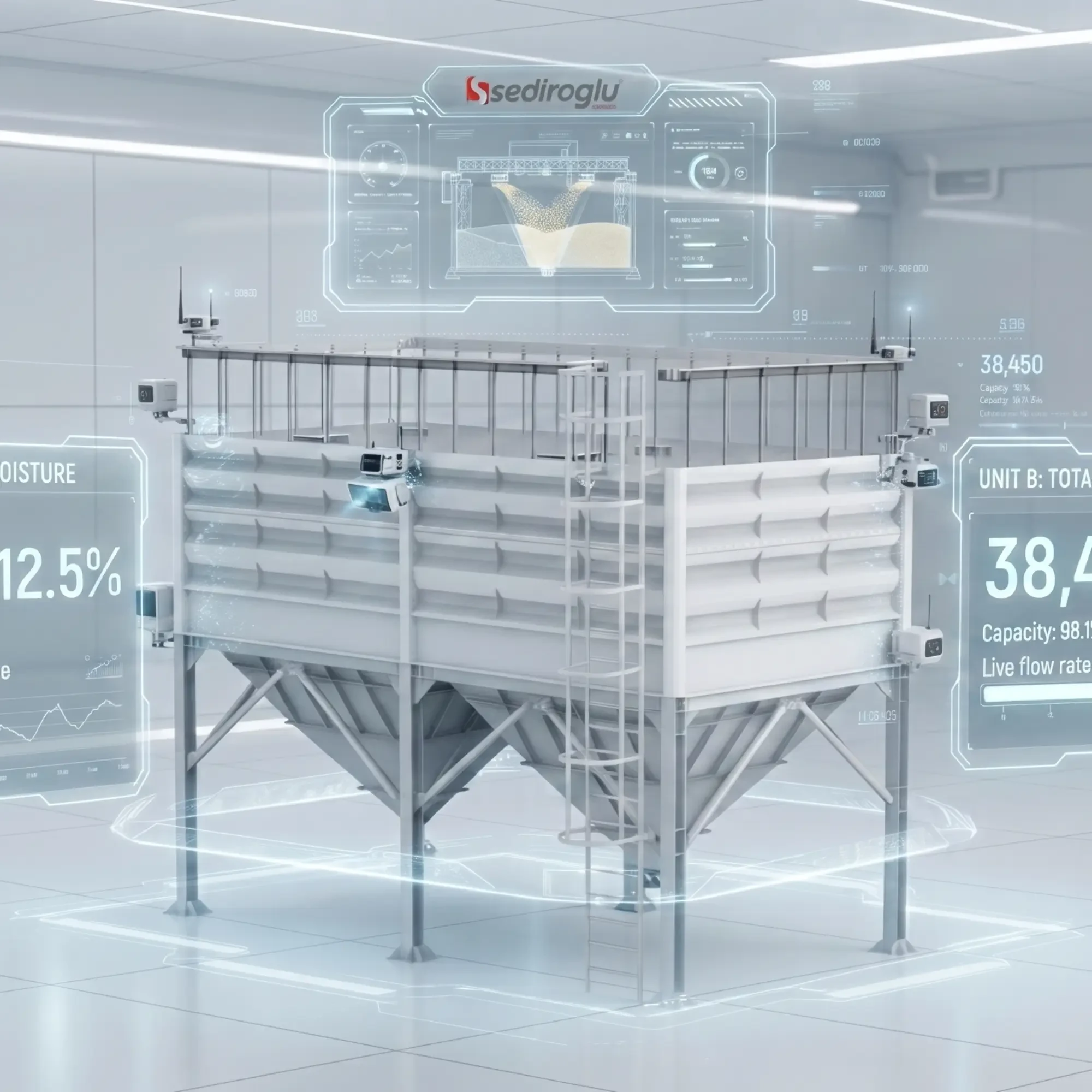
As global food demand continues to rise, efficient grain storage has become more important than ever. Modern wheat and grain silos incorporate advanced technologies such as temperature monitoring, aeration systems, level sensors, and automated unloading mechanisms to ensure maximum storage efficiency.
This article explores the importance of wheat and grain silos, their working principles, different types, benefits, and factors to consider when selecting the right storage solution.
What Are Wheat and Grain Silos?
A wheat and grain silo is a specially designed storage structure used to keep cereals and grains under controlled conditions for extended periods. These silos are engineered to protect stored products from environmental factors while maintaining grain quality until processing or distribution.
Common products stored include:
-
Wheat
-
Corn
-
Barley
-
Rice
-
Oats
-
Rye
-
Sorghum
-
Soybeans
-
Sunflower seeds
-
Pulses
Modern grain silos are essential components of agricultural supply chains and food processing facilities.
Why Grain Storage Matters
Improper storage can result in significant losses due to:
-
Moisture absorption
-
Mold development
-
Insect infestation
-
Rodent contamination
-
Temperature fluctuations
-
Product spoilage
Properly designed silos preserve grain quality, reduce waste, and improve profitability for farmers and grain processors.
Main Components of Wheat and Grain Silos
A complete grain silo system typically consists of several integrated components.
1. Storage Bin
The main cylindrical body stores the grain safely.
2. Roof Structure
Protects stored products from rain, snow, sunlight, and external contamination.
3. Hopper or Flat Bottom
Depending on application:
Hopper Bottom Silos
-
Faster unloading
-
Easier cleaning
-
Suitable for frequent discharge
Flat Bottom Silos
-
Larger storage capacities
-
Economical for long-term storage
-
Common in commercial grain terminals
4. Aeration System
Maintains proper airflow throughout the stored grain.
Benefits include:
-
Temperature control
-
Moisture reduction
-
Mold prevention
-
Better grain preservation
5. Temperature Monitoring System
Sensors continuously measure internal grain temperature.
Operators can detect:
-
Hot spots
-
Biological activity
-
Early spoilage
-
Insect development
6. Grain Level Sensors
These sensors provide accurate inventory management by measuring grain levels inside the silo.
7. Discharge System
Includes:
-
Conveyors
-
Screw augers
-
Chain conveyors
-
Bucket elevators
These systems ensure smooth product transportation.
Types of Wheat and Grain Silos
Steel Grain Silos
The most popular choice worldwide.
Advantages include:
-
Long service life
-
Corrosion resistance
-
Easy installation
-
Low maintenance
-
Expandable capacity
Galvanized steel construction provides excellent weather resistance.
Concrete Silos
Often used in very large commercial operations.
Advantages:
-
Exceptional durability
-
Fire resistance
-
Large capacity
-
Long lifespan
However, construction costs are generally higher.
Temporary Grain Storage
Used during harvest seasons.
Examples include:
-
Grain bags
-
Portable silos
-
Temporary bins
Suitable for short-term storage needs.
How Wheat and Grain Silos Work
The storage process generally includes several stages.
Step 1: Grain Reception
Harvested grain arrives by truck or trailer.
Step 2: Cleaning
Grain passes through cleaning equipment to remove:
-
Dust
-
Stones
-
Chaff
-
Metal particles
-
Foreign materials
Step 3: Drying
If moisture exceeds safe storage limits, grain is dried before entering the silo.
Proper moisture content is essential for long-term storage.
Step 4: Storage
The grain is conveyed into the silo using:
-
Bucket elevators
-
Chain conveyors
-
Belt conveyors
Step 5: Aeration
Fans circulate air to maintain optimal storage conditions.
Step 6: Monitoring
Automatic systems continuously monitor:
-
Temperature
-
Humidity
-
Grain level
Step 7: Discharge
Stored grain is unloaded whenever processing or shipment is required.
Benefits of Wheat and Grain Silos
Protect Product Quality
Silos reduce exposure to:
-
Rain
-
Humidity
-
Dust
-
Insects
-
Birds
-
Rodents
Reduce Post-Harvest Losses
Proper storage significantly decreases spoilage and waste.
Improve Food Safety
Controlled storage minimizes contamination risks.
Increase Operational Efficiency
Automated loading and unloading reduce labor requirements.
Lower Storage Costs
Bulk storage is generally more economical than bag storage.
Better Inventory Control
Operators always know:
-
Available stock
-
Storage levels
-
Product movement
Flexible Storage
Different grain varieties can be stored separately.
Capacity Options
Grain silos are available in a wide range of sizes.
Typical capacities include:
-
50 tons
-
100 tons
-
250 tons
-
500 tons
-
1,000 tons
-
5,000 tons
-
10,000 tons
-
20,000+ tons
Custom capacities are also available for industrial facilities.
Industries That Use Grain Silos
Many industries rely on grain storage systems.
These include:
Flour Mills
Continuous wheat supply improves milling efficiency.
Feed Mills
Animal feed manufacturers require reliable grain storage.
Grain Trading Companies
Large inventories are maintained until market demand increases.
Farms
On-site storage reduces transportation costs.
Seed Producers
Seeds remain protected until planting season.
Food Processing Plants
Raw materials are safely stored before production.
Automation in Modern Grain Silos
Today's silos often include advanced automation features.
Examples include:
-
PLC control systems
-
SCADA monitoring
-
Remote operation
-
Automatic aeration
-
Smart temperature control
-
Moisture monitoring
-
Inventory software
-
Mobile monitoring applications
Automation reduces human error while improving storage performance.
Maintenance Tips
Regular maintenance extends silo lifespan.
Recommended practices include:
-
Inspect roof seals
-
Clean ventilation ducts
-
Test temperature sensors
-
Lubricate mechanical equipment
-
Remove residual grain after unloading
-
Inspect conveyors
-
Check structural bolts
-
Monitor corrosion
Routine inspections help prevent unexpected downtime.
Factors to Consider Before Choosing a Grain Silo
Before purchasing a wheat and grain silo, evaluate:
Storage Capacity
Select a size that supports future expansion.
Grain Type
Different grains have varying storage characteristics.
Climate
Local humidity and temperature influence storage requirements.
Automation Level
Advanced monitoring improves grain protection.
Material Quality
Choose high-quality galvanized steel or reinforced concrete.
Aeration System
Proper airflow is essential for long-term storage.
Loading and Unloading Speed
Efficient material handling increases productivity.
Maintenance Requirements
Easy-access designs reduce maintenance costs.
Sustainability Benefits
Modern grain silos contribute to sustainable agriculture by:
-
Reducing food waste
-
Improving resource efficiency
-
Lowering transportation frequency
-
Conserving harvested crops
-
Supporting food security
-
Reducing carbon emissions associated with spoilage
Efficient storage helps maximize the value of every harvest.
Future Trends in Grain Storage
The grain storage industry continues to evolve with innovations such as:
-
AI-powered monitoring systems
-
IoT-connected sensors
-
Predictive maintenance
-
Automated inventory management
-
Energy-efficient aeration
-
Solar-powered ventilation
-
Cloud-based monitoring platforms
-
Digital grain quality analysis
These technologies enable safer storage while reducing operational costs.
Conclusion
Wheat and grain silos are indispensable for protecting harvested crops, maintaining grain quality, and ensuring a reliable supply chain from farm to processing facility. By preventing moisture damage, pest infestation, and spoilage, modern silo systems help maximize storage efficiency and minimize post-harvest losses.
Whether for small farms, commercial grain terminals, flour mills, or feed production plants, investing in a high-quality wheat and grain silo provides long-term value through improved operational efficiency, enhanced food safety, and reduced storage costs. Equipped with advanced monitoring, aeration, and automation technologies, today's grain silos support sustainable agriculture and meet the growing demands of the global food industry.
Frequently Asked Questions About Industrial Flour and Feed Milling Technologies
"At Sediroglu Group, we provide turnkey solutions including flour and feed mill equipment, conveying section equipment, grinding section equipment, and packaging section equipment. We have compiled the most frequently asked questions about our high-efficiency solutions, technical details, and capacity options tailored to your facility. If you have any further questions or require technical consultancy for your project, please contact our expert team."
A wheat and grain silo is designed to safely store grains, protecting them from moisture, pests, mold, and environmental damage while maintaining their quality.
Grain silos can store wheat, corn, barley, rice, oats, rye, soybeans, sorghum, and many other cereal grains and seeds.
Modern grain silos use aeration systems, temperature monitoring, and moisture control to maintain optimal storage conditions and reduce the risk of spoilage.
Flat-bottom silos are ideal for large-capacity, long-term storage, while hopper-bottom silos allow faster unloading and are easier to clean.
Steel grain silos are durable, corrosion-resistant, easy to install, require minimal maintenance, and offer long service life for efficient grain storage.
Blog Latest Posts

Flour Mill Grinder

Mill Grains | Grain Milling Machines & Processing Solutions