- Sediroglu Group
- 13 July 2026
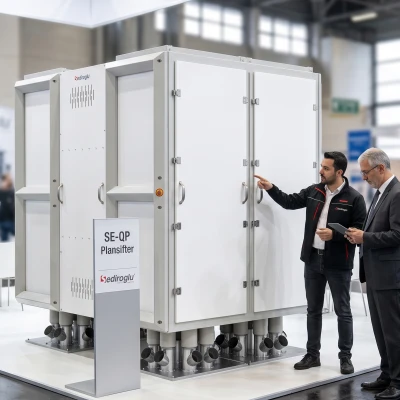
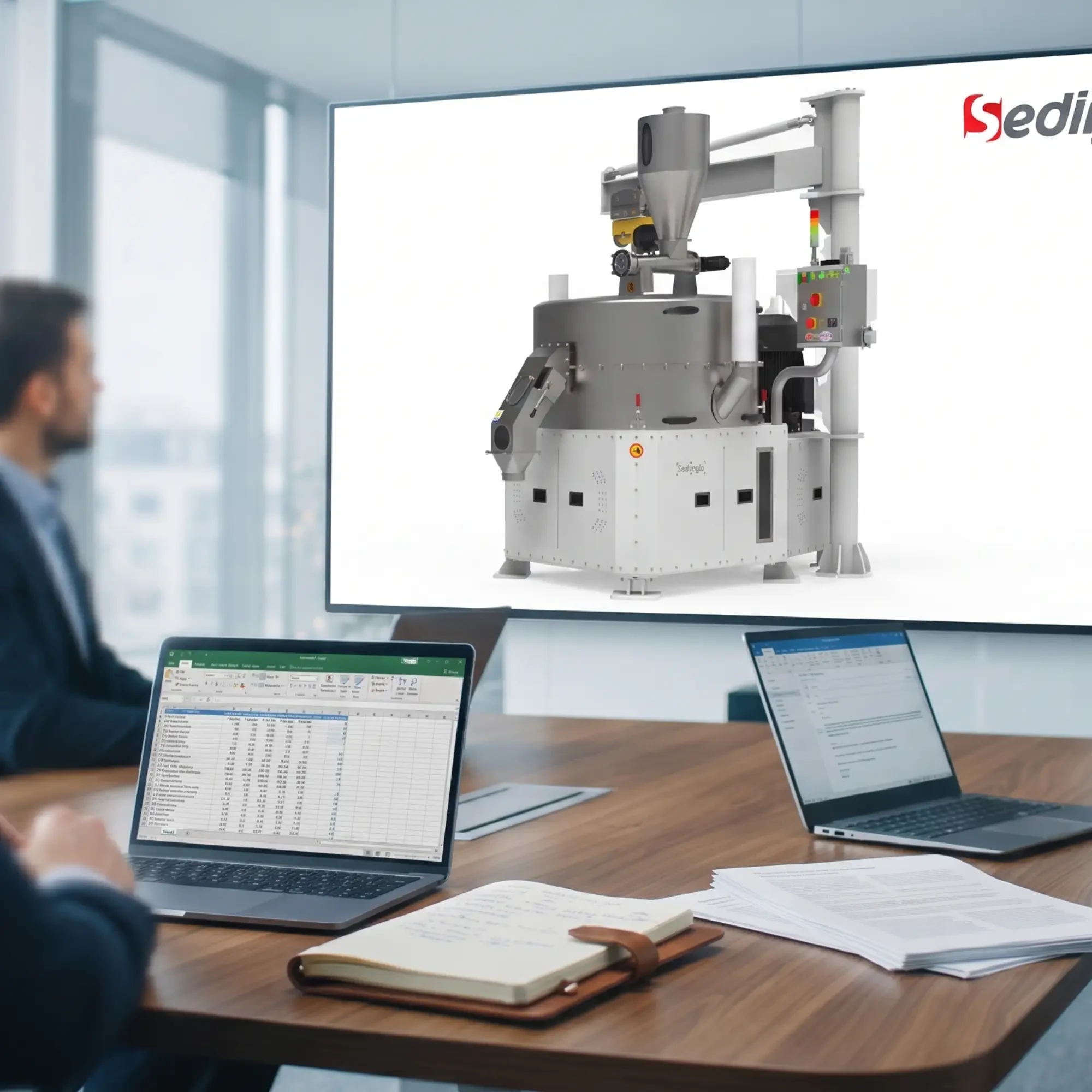
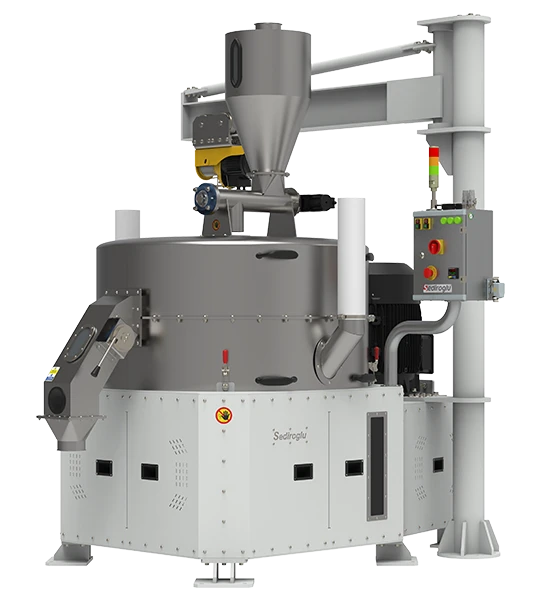
Stone Grinding Flour Mill
A Stone Grinding Flour Mill is one of the oldest and most trusted milling systems used to transform grains into high-quality flour. Despite the rapid advancement of modern roller milling technology, stone grinding continues to be highly valued for its ability to preserve the natural characteristics of grains. By grinding wheat and other cereals between carefully engineered millstones, this system produces flour with superior flavor, aroma, and nutritional value.
Today, stone grinding flour mills are widely used by artisan flour producers, organic food manufacturers, specialty bakeries, and small to medium-sized milling facilities. Their ability to create premium flour while maintaining the grain's natural components makes them an excellent choice for businesses focused on quality rather than maximum production capacity.
This article explores the working principle, components, advantages, applications, maintenance requirements, and reasons why stone grinding remains relevant in modern flour production.
What Is a Stone Grinding Flour Mill?
A Stone Grinding Flour Mill is a milling machine that crushes grains using two specially manufactured millstones. One stone remains stationary while the other rotates at a controlled speed. As grains pass between these stones, they are gradually ground into fine flour.
Unlike high-speed roller mills that separate bran and germ during processing, stone mills typically grind the entire grain. This produces whole-grain flour that retains its natural nutrients, oils, vitamins, minerals, and dietary fiber.
The grinding process is gentle, generating less heat than many conventional milling systems. Lower operating temperatures help preserve enzymes, proteins, and the natural flavor profile of the grain.
How Does a Stone Grinding Flour Mill Work?
The milling process follows several carefully controlled steps:
Grain Feeding
Cleaned grains are introduced into the feeding hopper. A regulated feeding mechanism ensures a consistent flow into the milling chamber.
Stone Grinding
The rotating upper stone presses the grain against the stationary lower stone. The gap between the stones determines the fineness of the flour.
Flour Collection
Once ground, the flour exits the milling chamber and is collected for packaging or further processing.
Optional Sifting
Some facilities pass the flour through sifters to create different flour grades or remove larger particles.
Main Components
A typical Stone Grinding Flour Mill consists of several essential parts.
Feeding Hopper
Ensures continuous and controlled grain supply.
Millstones
Manufactured from natural or engineered stone materials for durability and consistent grinding.
Grinding Chamber
The enclosed area where milling takes place.
Drive Motor
Provides stable rotational power with controlled speed.
Adjustment System
Allows operators to modify the distance between stones to achieve different flour textures.
Flour Outlet
Transfers finished flour efficiently.
Protective Housing
Improves operator safety while reducing dust emissions.
Suitable Grains
Stone grinding technology can process numerous agricultural products, including:
-
Wheat
-
Corn
-
Rye
-
Barley
-
Oats
-
Spelt
-
Millet
-
Sorghum
-
Chickpeas
-
Rice
-
Buckwheat
-
Quinoa
Its versatility makes it suitable for many specialty milling operations.
Advantages of Stone Grinding Flour Mills
Superior Flour Quality
Stone-ground flour retains more of the grain's natural flavor and aroma.
Better Nutritional Value
Since the bran and germ remain in the flour, the final product contains higher levels of vitamins, minerals, antioxidants, and fiber.
Low Heat Generation
Gentle grinding minimizes heat buildup, protecting nutrients and preserving flour quality.
Natural Whole-Grain Production
Stone mills are ideal for producing authentic whole-wheat flour without excessive processing.
Consistent Particle Size
Proper adjustment allows uniform flour texture.
Lower Mechanical Stress
Gentle grinding reduces damage to starch and protein structures.
Premium Market Value
Stone-ground flour is often marketed as a premium product, increasing profitability.
Environmentally Friendly
Stone grinding generally requires fewer processing stages, helping reduce energy consumption.
Applications
Stone Grinding Flour Mills are commonly used in:
-
Flour mills
-
Organic food manufacturers
-
Artisan bakeries
-
Whole-grain flour production
-
Health food companies
-
Traditional milling facilities
-
Specialty grain processors
-
Agricultural cooperatives
-
Small industrial mills
-
Rural food production projects
Why Stone-Ground Flour Is Different
Stone-ground flour differs from roller-milled flour in several important ways.
Because the entire grain is ground together, the flour contains all natural components of the wheat kernel.
These include:
-
Bran
-
Germ
-
Endosperm
As a result, the flour offers:
-
Richer taste
-
Improved aroma
-
Higher fiber
-
Better vitamin retention
-
Enhanced mineral content
Many consumers seeking healthier food products prefer stone-ground flour for these reasons.
Production Efficiency
Although stone grinding generally produces lower output than industrial roller mills, it offers excellent efficiency for premium flour production.
Modern systems feature:
-
Stable operation
-
Low vibration
-
Reliable performance
-
Precise stone adjustment
-
Continuous production
-
Consistent flour quality
Maintenance Requirements
Routine maintenance helps maximize equipment lifespan.
Recommended practices include:
-
Cleaning after production
-
Inspecting millstone surfaces
-
Monitoring motor performance
-
Checking bearings
-
Lubricating moving components
-
Removing accumulated flour dust
-
Inspecting safety guards
-
Calibrating stone spacing
Proper maintenance minimizes downtime and ensures stable production.
Factors to Consider Before Purchasing
Selecting the right Stone Grinding Flour Mill depends on several production requirements.
Important factors include:
-
Production capacity
-
Grain type
-
Motor power
-
Stone quality
-
Flour fineness adjustment
-
Energy efficiency
-
Maintenance accessibility
-
Dust control system
-
Machine durability
-
Manufacturer support
-
Availability of spare parts
Evaluating these factors helps businesses choose equipment that meets both current and future production needs.
Energy Efficiency
Modern stone grinding mills are designed to optimize power consumption while maintaining excellent grinding performance.
Energy-saving features may include:
-
Efficient electric motors
-
Optimized transmission systems
-
Reduced idle power usage
-
Stable rotational speeds
-
Improved grinding efficiency
These features contribute to lower operating costs over time.
Food Safety
High-quality Stone Grinding Flour Mills are designed to meet food industry standards.
Common safety features include:
-
Food-grade contact surfaces
-
Dust protection
-
Enclosed grinding chambers
-
Hygienic construction
-
Easy cleaning
-
Stainless steel components where required
These features help maintain safe and sanitary flour production.
Future of Stone Grinding Technology
Although traditional in concept, modern stone mills continue to evolve.
Manufacturers now integrate:
-
Digital controls
-
Automatic feeding systems
-
Precision adjustment mechanisms
-
Improved stone materials
-
Energy-efficient motors
-
Enhanced safety systems
-
Reduced maintenance requirements
These innovations combine traditional milling quality with modern industrial performance.
Conclusion
A Stone Grinding Flour Mill remains one of the most respected solutions for producing premium-quality flour. Its gentle grinding process preserves the grain's natural nutrients, flavor, aroma, and texture while meeting the growing demand for healthy, minimally processed food products.
Whether used in artisan bakeries, organic food production, or specialty flour manufacturing, stone grinding technology offers outstanding product quality, reliable operation, and long-term value. For businesses seeking to produce authentic whole-grain flour with exceptional characteristics, investing in a modern Stone Grinding Flour Mill is a practical and sustainable choice.
Frequently Asked Questions (FAQs)
1. What is a Stone Grinding Flour Mill?
It is a milling machine that grinds grains between two millstones to produce high-quality flour while preserving natural nutrients.
2. Which grains can be processed?
Common grains include wheat, corn, rye, barley, oats, millet, sorghum, rice, spelt, buckwheat, quinoa, and various legumes.
3. Why is stone-ground flour considered healthier?
Stone grinding retains the bran and germ, resulting in flour with higher fiber, vitamins, minerals, and natural flavor.
4. Is a Stone Grinding Flour Mill suitable for commercial production?
Yes. Modern stone mills are widely used in artisan bakeries, organic food businesses, specialty flour production, and small to medium-sized commercial milling operations.
5. How often should a Stone Grinding Flour Mill be maintained?
Regular cleaning, inspection of millstones, lubrication of moving parts, and routine servicing are recommended to ensure consistent performance and long equipment life.
Frequently Asked Questions About Industrial Flour and Feed Milling Technologies
"At Sediroglu Group, we provide turnkey solutions including flour and feed mill equipment, conveying section equipment, grinding section equipment, and packaging section equipment. We have compiled the most frequently asked questions about our high-efficiency solutions, technical details, and capacity options tailored to your facility. If you have any further questions or require technical consultancy for your project, please contact our expert team."
A Stone Grinding Flour Mill is a milling machine that grinds grains between two millstones to produce high-quality flour while preserving natural nutrients and flavor.
It can process wheat, corn, rye, barley, oats, rice, spelt, millet, sorghum, and many other grains.
Stone-ground flour retains more fiber, vitamins, minerals, and natural flavor compared to highly refined flour.
Yes, it is widely used in artisan bakeries, organic food production, and small to medium-sized flour milling facilities.
Regular cleaning, inspection of the millstones, lubrication of moving parts, and routine maintenance help ensure efficient and long-lasting performance.
Blog Latest Posts
Flour Mill Grinder

Mill Grains | Grain Milling Machines & Processing Solutions