- Sediroglu Group
- 07 July 2026
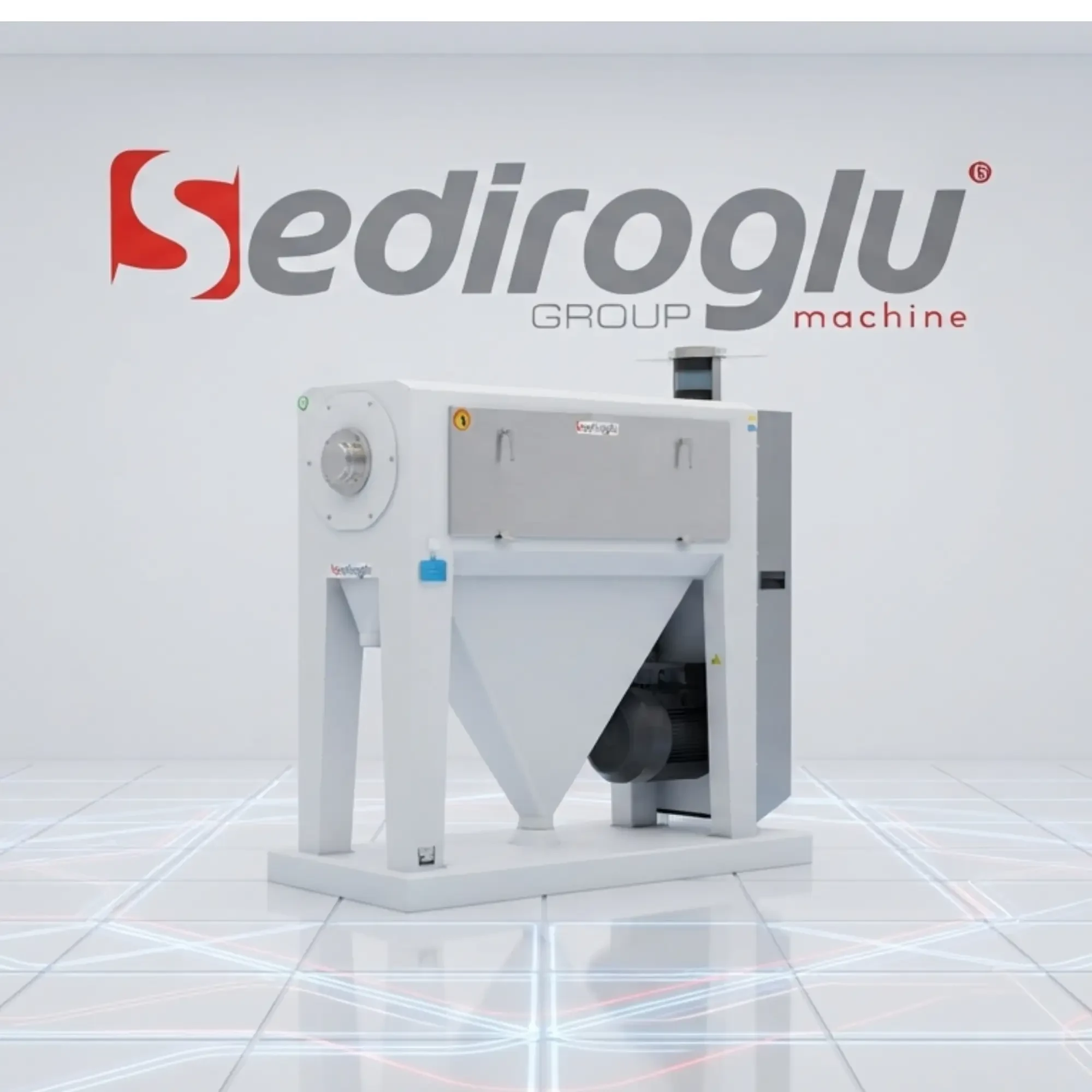
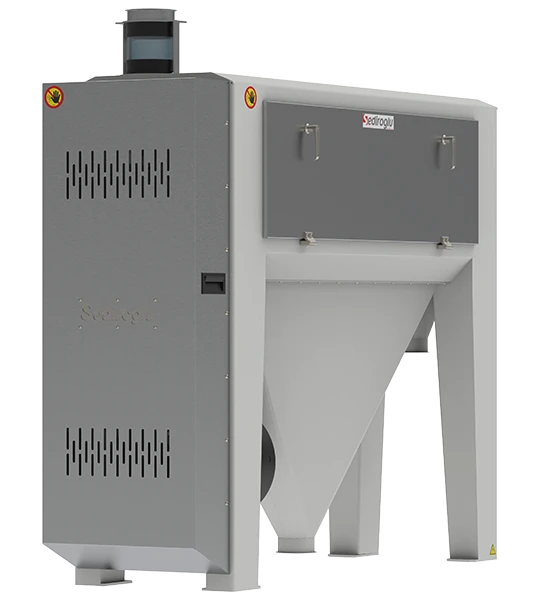
Bran Finisher
Bran Finisher is an essential machine in modern flour milling plants. It is specifically designed to recover the maximum amount of flour that remains attached to bran particles after the primary milling process. By efficiently separating fine flour from bran, a Bran Finisher helps increase production yield, improve profitability, and reduce product waste.
In today's competitive milling industry, every percentage of flour recovery matters. Even a small increase in extraction rate can significantly impact production costs and overall efficiency. This is why Bran Finishers have become a standard component in commercial flour mills worldwide.
Whether used in wheat flour mills, corn processing facilities, or other grain processing plants, a Bran Finisher contributes to higher product quality while ensuring the bran leaving the system contains minimal residual flour.
What Is a Bran Finisher?
A Bran Finisher is a specialized milling machine that processes bran after the main grinding stages. Instead of allowing flour particles to remain trapped within bran flakes, the machine gently separates the flour using a combination of impact, friction, and screening.
The recovered flour is returned to the flour production line, while the cleaned bran proceeds to animal feed production or other applications.
Unlike traditional grinding equipment, a Bran Finisher focuses on maximizing flour extraction without excessively grinding the bran itself. This preserves bran quality while increasing flour yield.
How Does a Bran Finisher Work?
The working principle is relatively straightforward but highly effective.
-
Bran enters the machine through the feeding system.
-
A rotating beater or rotor gently impacts the bran.
-
Flour particles adhering to the bran surface become detached.
-
Internal screens allow fine flour to pass through.
-
Clean bran exits separately from the machine.
-
Recovered flour returns to the milling process.
This process allows mills to recover valuable flour that would otherwise be lost with bran.
Main Components
A Bran Finisher consists of several carefully engineered components.
Feeding System
Ensures continuous and uniform product flow.
Rotor Assembly
Generates controlled impact for flour separation.
Beater Blades
Detach flour without damaging bran excessively.
Perforated Screen
Separates flour from bran based on particle size.
Drive Motor
Provides consistent rotational speed.
Bearings
Support smooth machine operation.
Inspection Doors
Allow easy maintenance and cleaning.
Safety Covers
Protect operators during production.
Advantages of Using a Bran Finisher
Higher Flour Extraction
The biggest advantage is improved flour recovery.
Reduced Product Loss
Less flour remains attached to bran.
Increased Profitability
Higher extraction means more saleable flour.
Better Bran Quality
Produces cleaner bran suitable for feed applications.
Energy Efficient
Modern machines consume relatively little power.
Continuous Operation
Designed for uninterrupted industrial production.
Low Maintenance
Simple construction reduces downtime.
Hygienic Design
Food-grade materials simplify cleaning procedures.
Applications
Bran Finishers are widely used in:
-
Wheat flour mills
-
Corn milling plants
-
Rye mills
-
Barley processing
-
Cereal production
-
Grain processing facilities
-
Food manufacturing plants
-
Industrial milling systems
Importance in Flour Milling
Modern flour mills aim to maximize extraction while maintaining flour quality.
Without a Bran Finisher:
-
More flour remains with bran.
-
Extraction rates decrease.
-
Production costs increase.
-
Profit margins decline.
With a Bran Finisher:
-
Flour recovery improves.
-
Bran becomes cleaner.
-
Milling efficiency increases.
-
Production becomes more sustainable.
Product Quality Improvements
A Bran Finisher helps maintain consistent flour quality by:
-
Recovering fine flour particles
-
Reducing unnecessary waste
-
Maintaining uniform particle size
-
Supporting efficient process control
Features of Modern Bran Finishers
Today's machines often include:
-
Stainless steel construction
-
High-capacity rotor
-
Wear-resistant beaters
-
Precision screens
-
Easy-access inspection doors
-
Low vibration design
-
Dust-controlled operation
-
Quiet performance
-
Compact footprint
-
High operational reliability
Capacity Options
Manufacturers offer Bran Finishers in different capacities depending on mill size.
Typical applications include:
-
Small flour mills
-
Medium industrial mills
-
Large commercial milling plants
-
High-capacity processing facilities
Machine selection depends on:
-
Production capacity
-
Grain type
-
Desired extraction rate
-
Available installation space
Maintenance Tips
Regular maintenance ensures long service life.
Recommended maintenance includes:
-
Inspect beaters regularly.
-
Clean screens frequently.
-
Lubricate bearings.
-
Tighten loose bolts.
-
Monitor vibration.
-
Check motor performance.
-
Replace worn components.
-
Inspect seals.
-
Remove accumulated dust.
-
Follow manufacturer guidelines.
Proper maintenance minimizes unexpected downtime.
Factors to Consider Before Buying
When selecting a Bran Finisher, consider:
Capacity
Choose a machine matching production volume.
Construction Material
Food-grade stainless steel improves hygiene and durability.
Screen Design
Efficient screening improves flour recovery.
Rotor Performance
A balanced rotor ensures smooth operation.
Spare Parts Availability
Readily available parts reduce maintenance delays.
Energy Consumption
Efficient motors reduce operating costs.
Manufacturer Reputation
Experienced manufacturers generally provide better support.
Technical Service
Reliable after-sales service is valuable.
Benefits for Flour Mills
Installing a Bran Finisher provides several operational benefits.
Improved Yield
More flour is recovered from the same amount of wheat.
Better Resource Utilization
Less valuable material is discarded.
Lower Production Costs
Higher extraction reduces raw material waste.
Consistent Performance
Stable operation improves production planning.
Increased Revenue
Recovered flour adds measurable economic value.
Environmental Benefits
Reducing waste also supports sustainability.
Advantages include:
-
Better raw material utilization
-
Reduced food waste
-
Lower environmental impact
-
Improved production efficiency
-
Sustainable milling operations
Common Industries Using Bran Finishers
Bran Finishers are found in:
-
Flour manufacturing
-
Grain processing
-
Food production
-
Feed production
-
Agricultural processing
-
Industrial milling plants
Installation Requirements
Proper installation ensures optimal performance.
Requirements generally include:
-
Stable foundation
-
Correct electrical supply
-
Proper alignment
-
Adequate ventilation
-
Dust collection system
-
Sufficient maintenance space
Professional installation helps maximize machine lifespan.
Why Modern Mills Need Bran Finishers
The milling industry continues to focus on:
-
Higher efficiency
-
Maximum flour recovery
-
Lower production costs
-
Better automation
-
Sustainable manufacturing
A Bran Finisher directly supports each of these objectives.
As milling technology advances, flour producers increasingly rely on specialized finishing equipment to remain competitive.
Future of Bran Finisher Technology
Future developments may include:
-
Smart monitoring systems
-
IoT integration
-
Predictive maintenance
-
Automated performance adjustment
-
AI-assisted production monitoring
-
Lower energy consumption
-
Enhanced wear-resistant materials
These innovations will further improve milling efficiency.
Frequently Asked Questions (FAQ)
What is a Bran Finisher used for?
A Bran Finisher separates remaining flour from bran to increase flour recovery after the main milling process.
Does a Bran Finisher increase flour extraction?
Yes. It helps recover fine flour particles that would otherwise leave the process with the bran, improving overall extraction efficiency.
Which industries use Bran Finishers?
They are commonly used in flour mills, grain processing plants, cereal production facilities, and food manufacturing industries.
Is a Bran Finisher easy to maintain?
Yes. Modern machines feature simple designs with accessible components, making routine cleaning and maintenance straightforward.
Why is a Bran Finisher important in flour milling?
It increases profitability by reducing flour loss, improving extraction rates, enhancing bran quality, and supporting efficient, sustainable milling operations.
Conclusion
A Bran Finisher is a valuable machine for any flour milling operation seeking to maximize efficiency and profitability. By recovering flour that remains attached to bran, it significantly improves extraction rates while preserving bran quality. Its reliable operation, low maintenance requirements, and contribution to sustainable production make it an indispensable component of modern milling systems. Whether in small-scale mills or large industrial facilities, investing in a high-quality Bran Finisher helps optimize production, reduce waste, and achieve consistent, high-quality milling results.
Frequently Asked Questions About Industrial Flour and Feed Milling Technologies
"At Sediroglu Group, we provide turnkey solutions including flour and feed mill equipment, conveying section equipment, grinding section equipment, and packaging section equipment. We have compiled the most frequently asked questions about our high-efficiency solutions, technical details, and capacity options tailored to your facility. If you have any further questions or require technical consultancy for your project, please contact our expert team."
A Bran Finisher is a milling machine designed to recover the remaining flour attached to bran, improving flour extraction and reducing product loss.
It gently separates fine flour particles from bran using a rotating beater and screening system, allowing the recovered flour to return to the milling process.
Bran Finishers are primarily used in wheat flour mills, grain processing plants, corn mills, and other cereal processing facilities.
Key benefits include higher flour recovery, improved milling efficiency, cleaner bran, lower production waste, and increased profitability.
Regular maintenance includes cleaning the screens, inspecting the rotor and beaters, lubricating bearings, checking fasteners, and replacing worn parts to ensure reliable performance.
Blog Latest Posts
Flour Mill Grinder
Mill Grains | Grain Milling Machines & Processing Solutions