- Sediroglu Group
- 24 July 2026
Micro Vitamin Dosing
Micro vitamin dosing is one of the most critical processes in modern food and feed manufacturing. Vitamins and other micro-ingredients are required in very small quantities, yet they have a significant impact on the nutritional value, quality and consistency of the final product. Even minor dosing inaccuracies can result in nutritional deficiencies, product inconsistency, increased production costs or failure to comply with industry regulations.
A Micro Vitamin Dosing System is specifically designed to measure, dispense and blend vitamins, minerals, amino acids, enzymes, additives and other micro-components with exceptional accuracy. By automating the dosing process, manufacturers improve production efficiency, reduce waste, maintain product consistency, and minimize human error.
Industries such as animal feed production, flour milling, food processing, premix manufacturing and pharmaceutical production increasingly rely on advanced micro dosing technologies to meet strict quality standards while maximizing operational efficiency.
What Is a Micro Vitamin Dosing System?
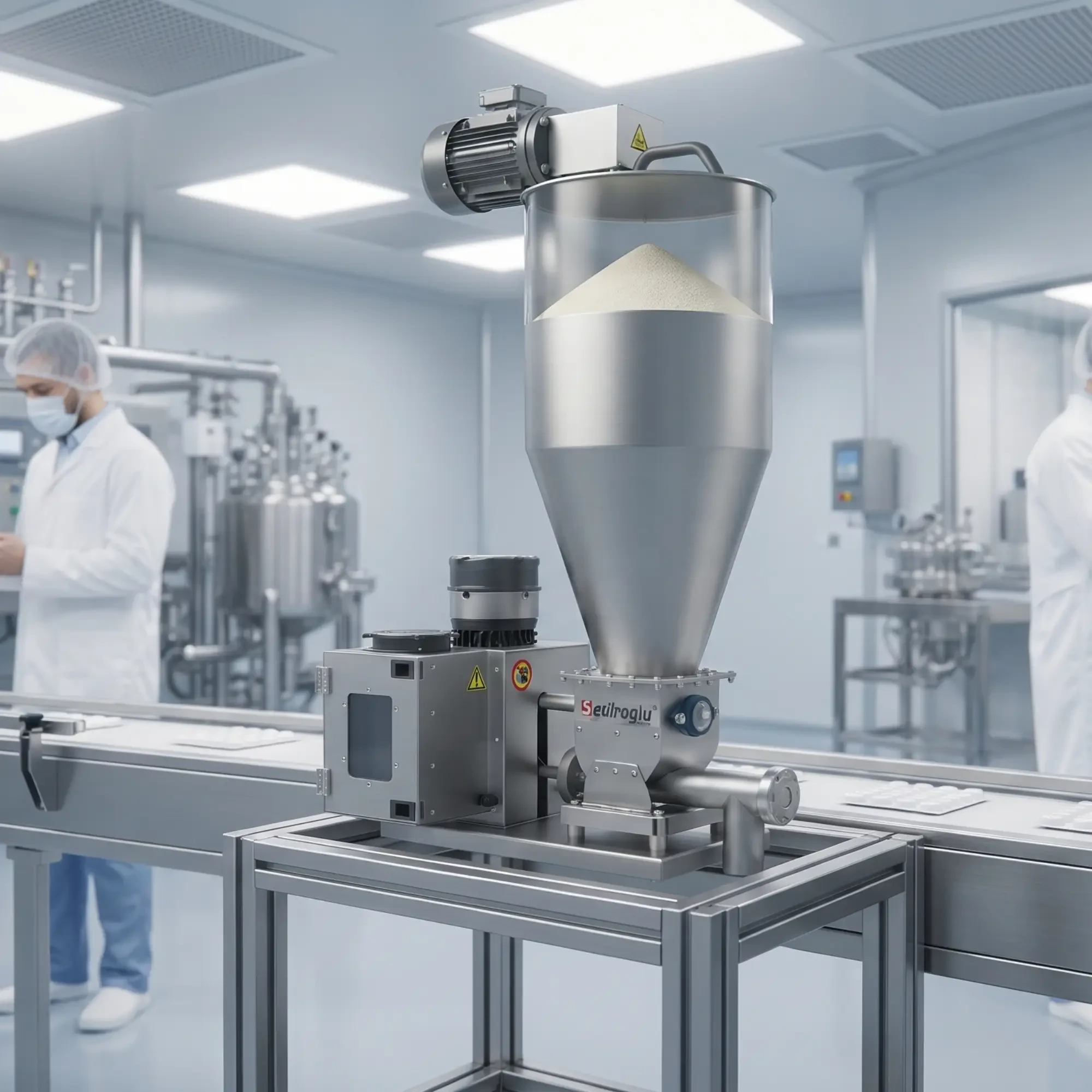
A Micro Vitamin Dosing System is an automated equipment solution that accurately dispenses small quantities of powdered or granular ingredients into a production line.
Unlike conventional weighing systems designed for large materials, micro dosing systems operate with extremely fine tolerances. Their primary function is to ensure that every batch receives exactly the required quantity of each ingredient according to a predefined recipe.
Typical ingredients include:
-
Vitamins
-
Minerals
-
Trace elements
-
Amino acids
-
Enzymes
-
Antioxidants
-
Feed additives
-
Nutritional supplements
-
Flavor enhancers
-
Food additives
The system guarantees precise measurement regardless of production volume.
Why Accurate Vitamin Dosing Matters
Modern production facilities demand consistency. Vitamins are expensive ingredients and both under-dosing and over-dosing create serious problems.
Under-dosing may lead to:
-
Reduced nutritional quality
-
Poor animal performance
-
Regulatory non-compliance
-
Customer complaints
Over-dosing can result in:
-
Increased production costs
-
Ingredient waste
-
Formulation imbalance
-
Environmental concerns
Accurate dosing helps manufacturers maintain the perfect balance between quality and cost.
Main Components of a Micro Vitamin Dosing System
Although configurations vary, most systems include several key components.
Ingredient Storage Bins
Each vitamin or additive is stored separately to prevent contamination.
Feeding Mechanism
The feeding unit controls material flow using screw feeders or precision augers.
High-Accuracy Load Cells
Sensitive weighing systems continuously monitor ingredient weight during dispensing.
Control System
Modern PLC and touchscreen interfaces automate the entire dosing sequence.
Mixing Unit
After weighing, ingredients are transferred to a mixer for homogeneous blending.
Data Management
Production data, recipes and dosing records are stored digitally for quality assurance and traceability.
How Micro Vitamin Dosing Works
The process generally follows several steps.
1. Recipe Selection
The operator selects the desired production formula.
2. Automatic Ingredient Identification
The control system identifies each required ingredient.
3. Precision Weighing
Each material is dispensed according to its programmed weight.
4. Verification
The weighing system verifies dosing accuracy before moving to the next ingredient.
5. Mixing
All ingredients are blended uniformly.
6. Batch Completion
The finished premix is transferred to the next production stage.
Automation ensures every batch is identical.
Applications
Micro vitamin dosing systems serve numerous industries.
Animal Feed Plants
Animal nutrition depends heavily on accurate vitamin supplementation.
Poultry Feed Production
Broilers and laying hens require carefully balanced vitamin levels.
Livestock Feed Manufacturing
Cattle, sheep, goats and dairy farms benefit from precise nutritional formulations.
Aquaculture Feed
Fish feed formulations require exact micro ingredient ratios.
Pet Food Production
Premium pet foods depend on highly controlled vitamin dosing.
Flour Mills
Vitamin enrichment programs often require micro dosing technology.
Food Manufacturing
Food fortification with vitamins and minerals improves nutritional value.
Pharmaceutical Industry
Micro dosing supports accurate production of nutritional supplements.
Advantages of Automated Micro Vitamin Dosing
Exceptional Accuracy
Modern systems achieve highly precise dosing with minimal deviation.
Improved Product Consistency
Every production batch follows the exact same formulation.
Reduced Waste
Only the required quantity of expensive ingredients is used.
Faster Production
Automation reduces manual handling and production time.
Lower Labor Costs
Operators supervise the system instead of manually weighing ingredients.
Enhanced Food Safety
Automated handling minimizes contamination risks.
Better Traceability
Production records can be stored for audits and quality control.
Flexible Recipe Management
Manufacturers can quickly switch between different formulations.
Importance in Feed Manufacturing
Feed manufacturers often process dozens of ingredients in one formulation.
These include:
-
Vitamin A
-
Vitamin D
-
Vitamin E
-
Vitamin K
-
Vitamin C
-
B-complex vitamins
-
Zinc
-
Iron
-
Copper
-
Selenium
-
Manganese
Since these ingredients are added in gram-level quantities, precision is essential.
Technology Behind Modern Systems
Today's micro vitamin dosing systems integrate advanced technologies.
These include:
-
PLC automation
-
Servo-controlled screw feeders
-
High-resolution load cells
-
Touchscreen HMIs
-
Barcode identification
-
Recipe management software
-
Automatic reporting
-
Industrial communication protocols
-
Remote monitoring
-
Industry 4.0 integration
These technologies significantly improve productivity.
Hygiene and Safety
Food and feed manufacturers must comply with strict hygiene standards.
Modern dosing systems offer:
-
Stainless steel construction
-
Dust-free operation
-
Easy cleaning
-
Minimal cross contamination
-
Closed ingredient transfer
-
Safe operator environment
These features improve both product quality and workplace safety.
Maintenance Requirements
Routine maintenance helps maximize system performance.
Recommended maintenance includes:
-
Cleaning feeders
-
Inspecting load cells
-
Checking screw conveyors
-
Verifying calibration
-
Lubricating moving components
-
Inspecting electrical systems
-
Updating software
-
Replacing worn seals
Preventive maintenance reduces downtime.
Choosing the Right Micro Vitamin Dosing System
Several factors should be considered before purchasing.
Production Capacity
Select equipment suitable for current and future production volumes.
Number of Ingredients
The system should support all required vitamins and additives.
Accuracy Requirements
Higher precision may require advanced weighing technology.
Automation Level
Fully automated systems offer higher productivity.
Software Features
Modern recipe management simplifies production planning.
Cleaning Design
Easy maintenance minimizes production interruptions.
Expandability
Future ingredient additions should be supported.
Sustainability Benefits
Accurate dosing contributes to sustainable manufacturing.
Benefits include:
-
Lower ingredient waste
-
Reduced energy consumption
-
Less product rejection
-
Improved resource utilization
-
Lower carbon footprint
-
Efficient raw material usage
Sustainability has become an important competitive advantage.
Future Trends
Micro vitamin dosing technology continues to evolve.
Emerging innovations include:
-
Artificial intelligence
-
Predictive maintenance
-
Smart sensors
-
Cloud monitoring
-
Digital production management
-
IoT connectivity
-
Automatic calibration
-
Self-diagnostic systems
-
Real-time analytics
These technologies will further improve production efficiency.
Conclusion
Micro Vitamin Dosing has become an indispensable technology for modern food, feed and premix manufacturing. Accurate dosing ensures consistent product quality, minimizes waste, reduces operational costs and helps manufacturers comply with increasingly strict quality standards.
With advanced automation, intelligent control systems and precise weighing technology, modern micro vitamin dosing equipment enables manufacturers to produce reliable, repeatable and nutritionally balanced products at high production speeds. As industries continue moving toward smart manufacturing and sustainable production, investing in a high-quality Micro Vitamin Dosing System offers long-term operational, financial and quality advantages for businesses seeking greater efficiency and competitiveness.
Frequently Asked Questions About Industrial Flour and Feed Milling Technologies
"At Sediroglu Group, we provide turnkey solutions including flour and feed mill equipment, conveying section equipment, grinding section equipment, and packaging section equipment. We have compiled the most frequently asked questions about our high-efficiency solutions, technical details, and capacity options tailored to your facility. If you have any further questions or require technical consultancy for your project, please contact our expert team."
A Micro Vitamin Dosing System is used to accurately measure and dispense small quantities of vitamins, minerals, and other micro-ingredients during production.
These systems are widely used in the feed, food, flour milling, premix, and pharmaceutical industries.
Accurate dosing ensures consistent product quality, reduces ingredient waste, and helps meet nutritional and regulatory standards.
Yes. Most systems are designed to dose multiple vitamins, minerals, and additives automatically based on preset recipes.
Automation improves accuracy, increases production efficiency, minimizes human error, reduces labor costs, and enhances product consistency.
Blog Latest Posts
Flour Mill Grinder

Mill Grains | Grain Milling Machines & Processing Solutions