- Sediroglu Group
- 01 July 2026
Inclined Intensive Dampener
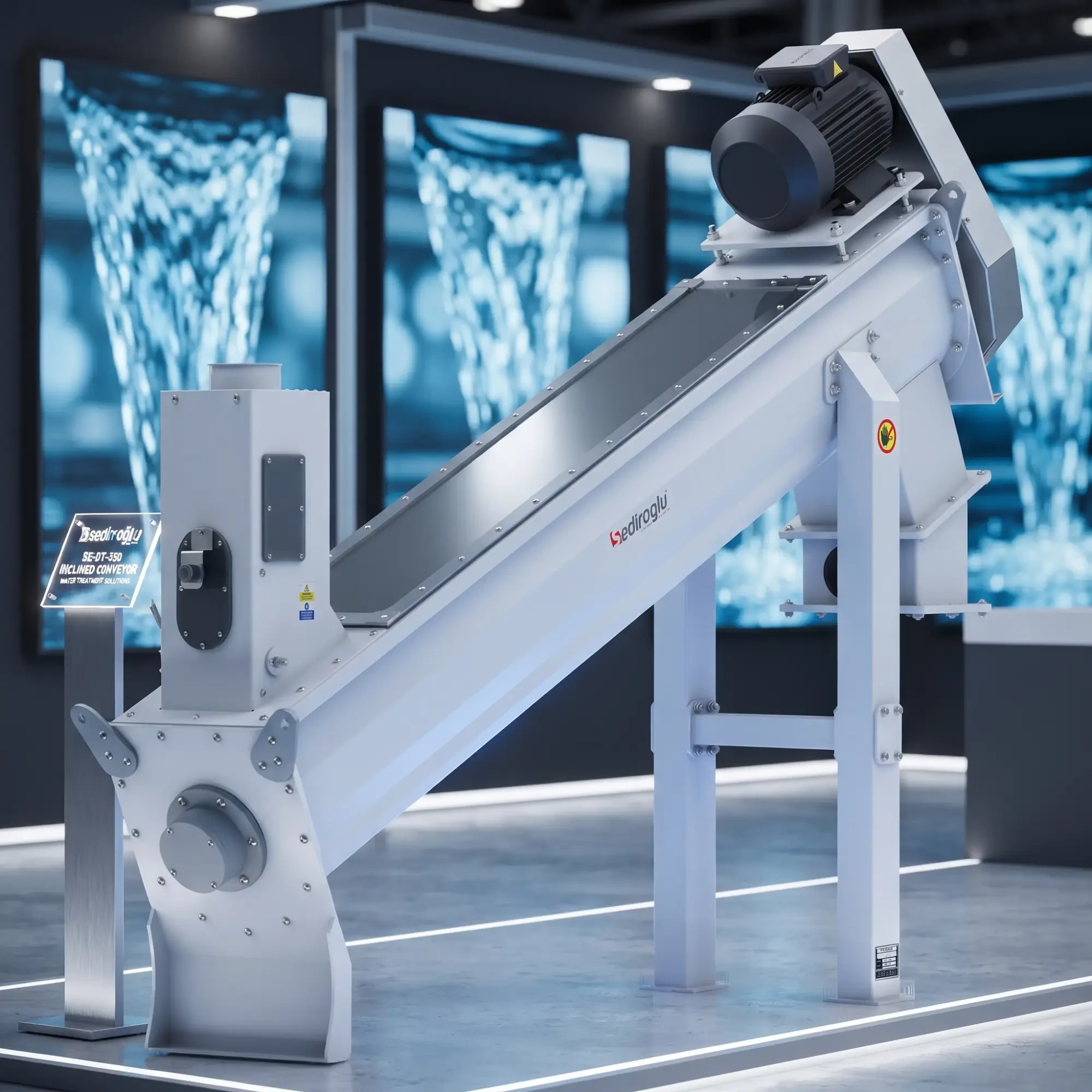
Inclined Intensive Dampener is a specialized machine used in flour mills and grain processing facilities to add a precise amount of water to grains before the tempering process. Proper grain conditioning is one of the most critical stages in modern milling because it directly affects flour quality, extraction rate, and milling efficiency. The Inclined Intensive Dampener ensures that moisture is distributed evenly across every grain, creating ideal conditions for further processing.
Compared to conventional dampening systems, an inclined intensive design provides improved mixing performance, better water absorption, and more consistent grain conditioning. This results in enhanced milling performance, lower energy consumption, and superior final product quality.
What Is an Inclined Intensive Dampener?
An Inclined Intensive Dampener is an industrial grain conditioning machine designed to uniformly moisten grains before they enter tempering bins. It combines controlled water dosing with intensive mechanical mixing inside an inclined chamber to ensure every grain receives the required amount of moisture.
The inclined design improves grain movement, allowing water to penetrate the grain surface more effectively. As a result, grains absorb moisture evenly, reducing inconsistencies that may negatively affect the milling process.
The machine is widely used in wheat flour mills, semolina production plants, cereal processing facilities, and feed manufacturing operations.
Working Principle
The operating principle is based on accurate water dosing and intensive mixing.
First, cleaned grain enters the machine through the feeding inlet. A precision water dosing system injects the calculated amount of water according to the required moisture level.
Inside the inclined mixing chamber, a high-speed rotor equipped with specially designed paddles continuously mixes the grains. The inclined structure ensures a smooth flow while maximizing contact between water and grain.
The conditioning process includes:
-
Continuous grain feeding
-
Accurate water injection
-
Intensive mechanical mixing
-
Uniform moisture distribution
-
Controlled discharge to tempering bins
This process prepares grains for optimal tempering before milling.
Main Components
The Inclined Intensive Dampener consists of several essential components.
Feed Inlet
Introduces cleaned grains into the conditioning chamber.
Water Dosing System
Precisely measures and injects the required amount of water.
Inclined Mixing Chamber
Provides efficient movement and thorough mixing of grains.
Rotor with Mixing Paddles
Ensures continuous grain agitation and even moisture distribution.
Electric Motor
Drives the rotor and maintains stable operating speed.
Moisture Control System
Monitors and regulates water application for consistent results.
Discharge Outlet
Transfers conditioned grain to the tempering process.
Advantages of Inclined Intensive Dampener
The machine offers numerous operational advantages.
Uniform Moisture Distribution
Each grain receives an equal amount of moisture.
Improved Flour Quality
Even conditioning enhances flour color, texture, and consistency.
Higher Extraction Rates
Properly conditioned grains increase flour yield during milling.
Better Bran Separation
Moistened bran becomes more elastic and separates more efficiently from the endosperm.
Reduced Energy Consumption
Optimized grain conditioning lowers grinding energy requirements.
Increased Milling Efficiency
Uniform grain moisture improves overall production performance.
Hygienic Processing
The enclosed system minimizes contamination risks.
Reliable Continuous Operation
Designed for high-capacity industrial production.
Applications
Inclined Intensive Dampeners are widely used in grain processing industries.
Wheat Flour Mills
Prepare wheat before tempering and grinding.
Semolina Production
Condition durum wheat for pasta manufacturing.
Corn Processing Plants
Improve moisture balance before milling.
Feed Manufacturing
Condition grains before feed production.
Cereal Processing Facilities
Enhance grain quality before further processing.
Grain Storage Operations
Adjust grain moisture prior to storage or processing.
Importance of Grain Conditioning
Grain conditioning is one of the most important stages in milling.
Proper conditioning provides:
-
Improved flour quality
-
Higher milling efficiency
-
Better extraction rates
-
Reduced flour ash content
-
Improved product consistency
-
Lower equipment wear
-
Reduced energy costs
Without proper moisture control, grain becomes difficult to mill efficiently.
Why Uniform Moisture Matters
Uniform moisture distribution is essential because inconsistent grain moisture causes uneven grinding.
Even moisture helps achieve:
-
Stable milling performance
-
Better flour particle size
-
Higher product consistency
-
Reduced broken bran
-
Increased production capacity
This directly contributes to higher-quality flour and lower operating costs.
Materials Suitable for Processing
The machine can condition numerous grain types, including:
-
Wheat
-
Durum wheat
-
Corn
-
Barley
-
Rye
-
Oats
-
Sorghum
-
Various cereal grains
Machine configuration may vary depending on grain characteristics.
Factors to Consider Before Purchasing
Selecting the right Inclined Intensive Dampener requires evaluating several factors.
Production Capacity
Choose a machine suitable for hourly processing requirements.
Water Control Accuracy
Precise dosing ensures consistent grain moisture.
Rotor Design
Efficient paddles improve mixing performance.
Construction Quality
Stainless steel components enhance durability and hygiene.
Automation Features
Automatic moisture control improves production consistency.
Maintenance Accessibility
Easy access simplifies cleaning and servicing.
Maintenance Recommendations
Routine maintenance maximizes equipment life.
Recommended maintenance includes:
-
Cleaning the mixing chamber
-
Inspecting water nozzles
-
Lubricating bearings
-
Checking rotor balance
-
Monitoring moisture sensors
-
Inspecting seals
-
Tightening mechanical connections
-
Verifying control system accuracy
Preventive maintenance minimizes downtime and improves reliability.
Safety Features
Modern Inclined Intensive Dampeners include several safety systems.
Common safety features include:
-
Emergency stop buttons
-
Protective covers
-
Motor overload protection
-
Safety interlocks
-
Dust control systems
Operators should always follow manufacturer instructions.
Energy Efficiency
Energy-efficient operation benefits both productivity and sustainability.
Modern machines feature:
-
Efficient electric motors
-
Optimized paddle geometry
-
Low-friction components
-
Intelligent moisture control
-
Reduced power consumption
These improvements lower production costs while maintaining high performance.
Automation and Smart Technology
Many modern systems integrate digital technologies.
Available features include:
-
PLC automation
-
Touchscreen control panels
-
Moisture monitoring sensors
-
Automatic water adjustment
-
Remote diagnostics
-
Production data logging
Automation ensures consistent grain conditioning throughout production.
Environmental Benefits
Efficient dampening contributes to sustainable production.
Benefits include:
-
Reduced water waste
-
Lower electricity consumption
-
Less product loss
-
Improved production efficiency
-
Longer equipment lifespan
These advantages help manufacturers meet environmental goals.
Choosing the Right Manufacturer
Selecting a reliable equipment supplier is equally important.
Look for manufacturers that provide:
-
High-quality engineering
-
Food-grade construction materials
-
Technical support
-
Spare parts availability
-
Installation services
-
Operator training
-
Warranty coverage
Experienced manufacturers help ensure long-term operational success.
Future Trends
Grain conditioning technology continues to evolve.
Future developments include:
-
Artificial intelligence for moisture optimization
-
Advanced moisture sensors
-
Predictive maintenance systems
-
IoT integration
-
Cloud-based production monitoring
-
Greater energy efficiency
These innovations will improve both productivity and sustainability.
Conclusion
The Inclined Intensive Dampener is a critical component of modern flour milling systems, ensuring accurate grain conditioning through precise water dosing and intensive mixing. Its inclined design enhances moisture distribution, resulting in improved milling efficiency, higher flour quality, and reduced operating costs.
Whether used in wheat flour mills, semolina plants, feed production facilities, or cereal processing operations, an Inclined Intensive Dampener delivers reliable, hygienic, and energy-efficient performance. Investing in high-quality equipment and maintaining it properly enables manufacturers to achieve consistent production, superior product quality, and long-term operational success.
Frequently Asked Questions (FAQ)
1. What is an Inclined Intensive Dampener used for?
It is used to uniformly add moisture to grains before the tempering process in flour and grain milling plants.
2. Why is grain conditioning important?
Proper conditioning improves flour quality, milling efficiency, extraction rate, and overall production consistency.
3. Which grains can be processed?
The machine is suitable for wheat, durum wheat, corn, barley, rye, oats, sorghum, and many other cereal grains.
4. What are the main advantages of an Inclined Intensive Dampener?
It provides uniform moisture distribution, improved milling performance, higher flour yield, lower energy consumption, and reliable continuous operation.
5. How should the machine be maintained?
Regular cleaning, lubrication, inspection of water nozzles, rotor maintenance, and moisture sensor calibration help ensure long-term reliable performance.
Blog Latest Posts
Flour Mill Grinder
Mill Grains | Grain Milling Machines & Processing Solutions