- Sediroglu Group
- 03 July 2026
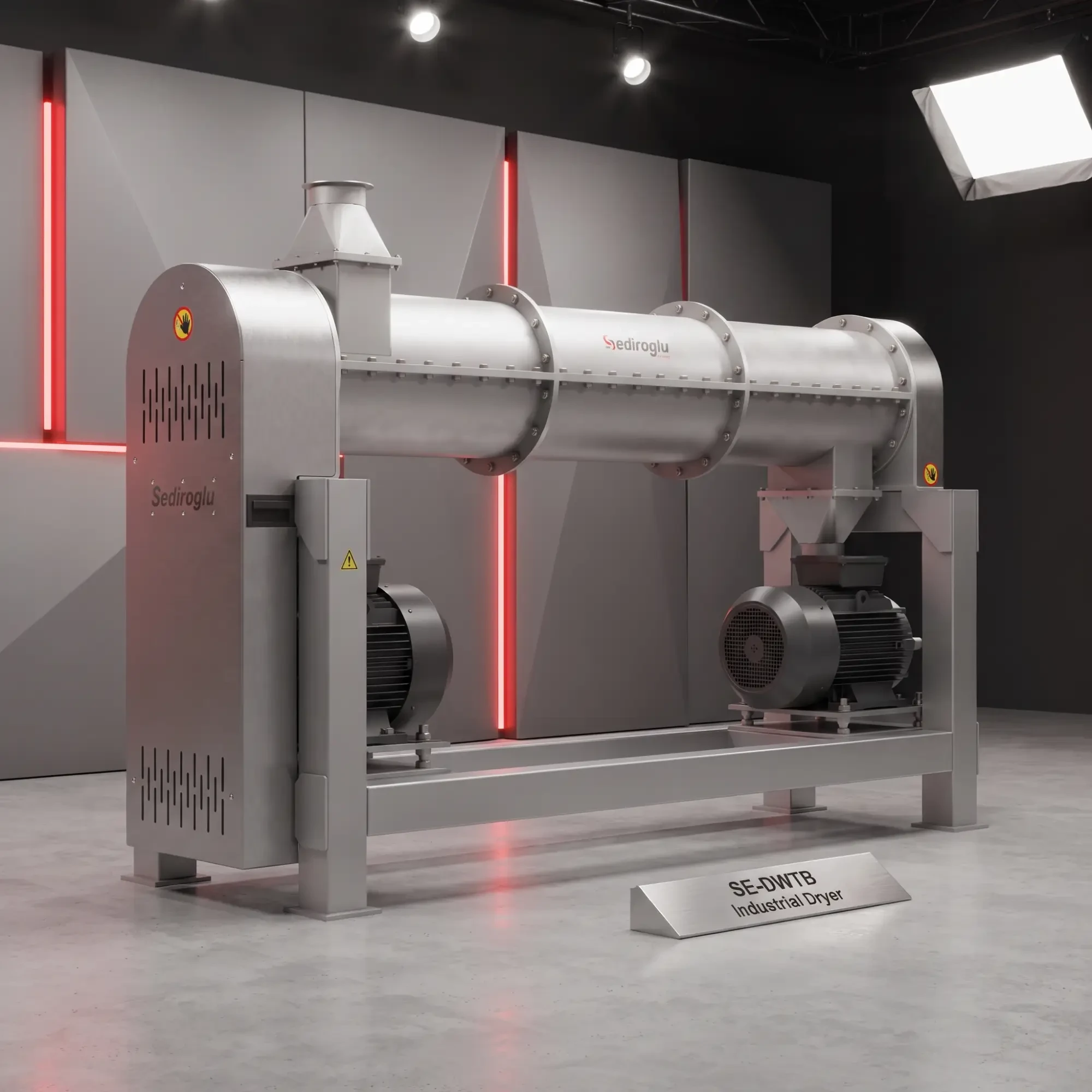
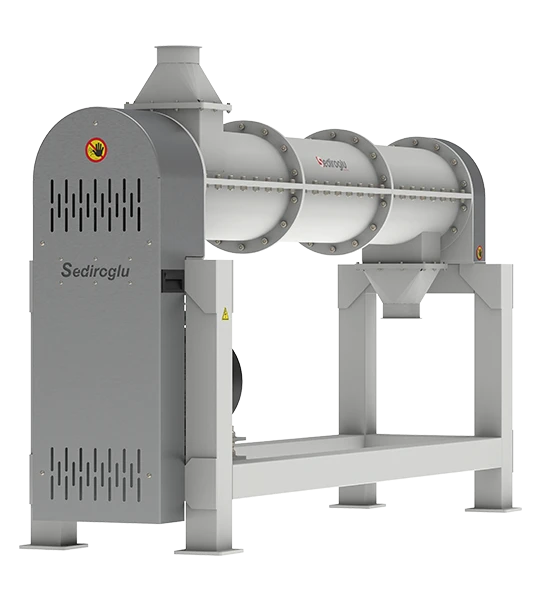
Horizontal Intensive Dampener
A Horizontal Intensive Dampener is an essential machine used in modern grain processing plants to ensure uniform moisture distribution before milling. Proper moisture conditioning is one of the most important steps in flour production because it directly affects milling efficiency, flour quality, energy consumption, and equipment performance. By rapidly and evenly mixing water with grain, a Horizontal Intensive Dampener prepares raw materials for the tempering process while minimizing moisture variations.
Today, flour mills, semolina plants, cereal processing facilities, and feed factories rely on advanced dampening systems to improve production quality. A Horizontal Intensive Dampener helps achieve consistent moisture penetration, resulting in better bran separation, improved flour extraction rates, and higher-quality finished products.
What Is a Horizontal Intensive Dampener?
A Horizontal Intensive Dampener is a high-speed conditioning machine designed to distribute water evenly across grain kernels before they enter the tempering bins. Unlike conventional mixing systems, this equipment uses specially designed paddles or mixing blades mounted on a horizontal shaft to create intensive mixing action.
The machine ensures that every grain kernel receives an equal amount of moisture, reducing inconsistencies that may negatively affect milling performance.
It is commonly installed immediately after grain cleaning and before the tempering stage.
How Does a Horizontal Intensive Dampener Work?
The operating principle is simple yet highly effective.
Grain enters the machine through the inlet while a precisely controlled amount of water is sprayed into the mixing chamber. A rapidly rotating shaft equipped with paddles thoroughly mixes the grain and water within seconds.
During this short mixing period:
-
Water spreads evenly across every kernel.
-
Surface moisture is distributed uniformly.
-
Initial absorption begins immediately.
-
Grain exits the machine ready for tempering.
This intensive mixing process creates ideal conditions for moisture penetration during the resting period.
Main Components
A Horizontal Intensive Dampener generally consists of:
-
Feeding inlet
-
Horizontal mixing chamber
-
High-speed rotor
-
Special mixing paddles
-
Water injection system
-
Inspection doors
-
Drive motor
-
Bearings
-
Outlet section
-
Heavy-duty steel housing
Each component is engineered to withstand continuous industrial operation while maintaining consistent mixing performance.
Key Features
Modern Horizontal Intensive Dampeners offer numerous advanced features, including:
-
Uniform moisture distribution
-
High mixing efficiency
-
Heavy-duty construction
-
Adjustable water dosing
-
Easy maintenance
-
Hygienic design
-
Wear-resistant paddles
-
Low energy consumption
-
Continuous operation capability
-
Long service life
These features make the equipment suitable for demanding industrial environments.
Applications
Horizontal Intensive Dampeners are widely used across various industries.
Flour Mills
The primary application is flour milling, where proper wheat conditioning is critical for efficient grinding and flour quality.
Semolina Production
Durum wheat processing requires accurate moisture conditioning before milling.
Feed Mills
Animal feed manufacturers use dampeners to improve ingredient conditioning before further processing.
Grain Processing Plants
Facilities handling corn, barley, rye, oats, and other cereals also benefit from intensive moisture mixing.
Food Processing Industry
Certain cereal-based food production lines require controlled grain conditioning for consistent product quality.
Advantages of Using a Horizontal Intensive Dampener
Uniform Moisture Distribution
One of the greatest benefits is achieving consistent moisture across every grain kernel.
This reduces variations during milling and improves product consistency.
Better Flour Extraction
Properly conditioned wheat separates bran more effectively from the endosperm, increasing flour yield.
Higher extraction rates translate into greater production efficiency and profitability.
Reduced Energy Consumption
Well-conditioned grain requires less grinding energy.
Lower power consumption contributes to reduced operational costs.
Improved Milling Performance
Consistent moisture conditioning allows milling equipment to operate more efficiently with less stress on grinding rolls.
Better Product Quality
Uniform conditioning improves:
-
Flour color
-
Particle size consistency
-
Ash content control
-
Baking performance
-
Product stability
Longer Equipment Life
Reduced mechanical stress minimizes wear on downstream milling equipment.
This lowers maintenance costs and extends equipment lifespan.
Importance in Wheat Conditioning
Tempering is one of the most critical stages in flour production.
If water is not evenly distributed before the tempering process, some kernels absorb too much moisture while others remain dry.
A Horizontal Intensive Dampener solves this problem by ensuring every kernel starts the tempering process under nearly identical conditions.
The result is:
-
Better bran toughness
-
Softer endosperm
-
Easier grinding
-
Improved flour quality
Installation Considerations
For maximum efficiency, the dampener should be installed:
-
After grain cleaning
-
Before tempering bins
-
Near the water dosing system
-
In an easily accessible maintenance area
Proper installation ensures stable operation and simplifies servicing.
Maintenance Requirements
Routine maintenance helps maximize machine performance.
Recommended maintenance includes:
-
Inspecting paddles
-
Cleaning the mixing chamber
-
Checking bearings
-
Verifying water nozzles
-
Lubricating moving parts
-
Tightening bolts
-
Monitoring motor performance
Preventive maintenance reduces unexpected downtime.
Hygiene and Food Safety
Since the machine directly handles food products, hygienic design is essential.
Most modern Horizontal Intensive Dampeners include:
-
Stainless steel contact surfaces
-
Smooth internal construction
-
Easy-access cleaning doors
-
Minimal residue accumulation
-
Corrosion-resistant materials
These features help comply with food safety standards.
Energy Efficiency
Energy efficiency has become increasingly important in industrial processing.
Modern Horizontal Intensive Dampeners use optimized rotor designs and efficient motors to reduce electricity consumption while maintaining excellent mixing performance.
Lower energy usage contributes to sustainable production.
Factors to Consider When Choosing a Horizontal Intensive Dampener
Before purchasing, manufacturers should evaluate:
-
Production capacity
-
Grain type
-
Water dosing accuracy
-
Mixing efficiency
-
Motor power
-
Maintenance accessibility
-
Spare part availability
-
Build quality
-
Automation compatibility
-
Manufacturer support
Selecting the right model ensures reliable long-term operation.
Why Modern Flour Mills Prefer Horizontal Intensive Dampeners
Today's milling industry demands higher productivity, consistent quality, and lower operating costs.
A Horizontal Intensive Dampener supports these goals by improving moisture conditioning before grinding.
The equipment helps mills produce consistent flour while reducing waste and maximizing efficiency.
As production technologies continue to evolve, intensive dampening systems remain a valuable investment for grain processing facilities worldwide.
Conclusion
A Horizontal Intensive Dampener is an indispensable machine for efficient grain conditioning. By ensuring rapid and uniform moisture distribution, it enhances milling performance, increases flour extraction rates, improves product quality, and reduces energy consumption.
Whether used in flour mills, feed plants, or cereal processing facilities, this equipment plays a vital role in modern grain processing operations. Investing in a high-quality Horizontal Intensive Dampener contributes to higher productivity, lower maintenance costs, and long-term operational reliability.
Frequently Asked Questions (FAQs)
1. What is the main purpose of a Horizontal Intensive Dampener?
Its primary purpose is to distribute water evenly across grain kernels before the tempering process, ensuring consistent moisture conditioning.
2. Which industries use Horizontal Intensive Dampeners?
They are widely used in flour mills, semolina plants, feed mills, cereal processing facilities, and grain handling industries.
3. Why is moisture conditioning important before milling?
Proper moisture conditioning improves bran separation, increases flour extraction, reduces energy consumption, and enhances overall product quality.
4. How often should a Horizontal Intensive Dampener be maintained?
Routine inspections should be performed regularly, while comprehensive preventive maintenance should follow the manufacturer's recommended schedule to ensure reliable performance.
5. Can a Horizontal Intensive Dampener process grains other than wheat?
Yes. Depending on the application, it can be used with corn, barley, rye, oats, and various other cereal grains requiring uniform moisture conditioning.
Blog Latest Posts
Flour Mill Grinder
Mill Grains | Grain Milling Machines & Processing Solutions