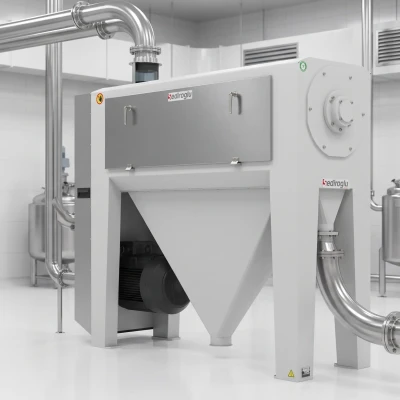
- Sediroglu Group
- 25 June 2026
Hammer Mill
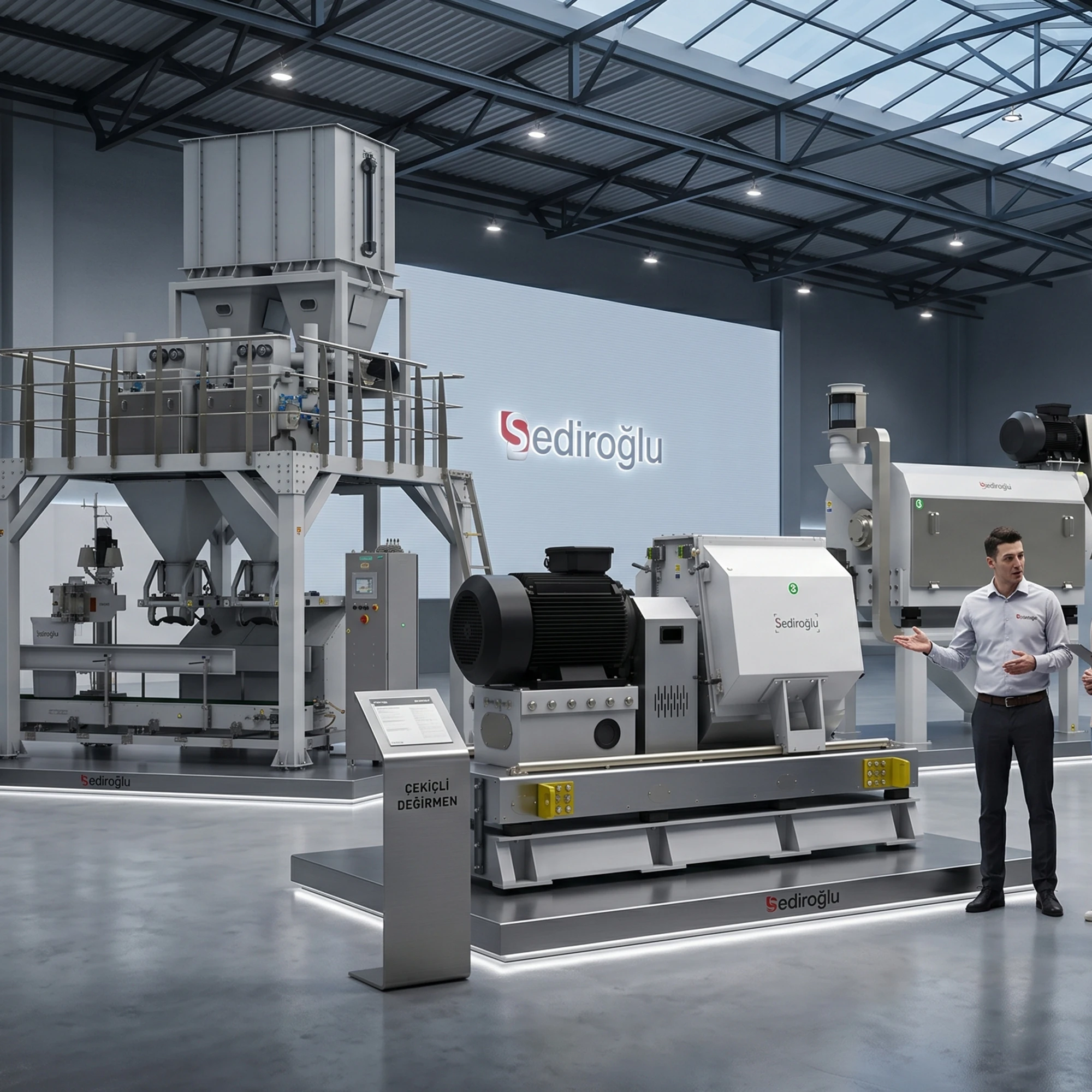
Hammer mill is one of the most widely used crushing and grinding machines in industrial processing. It is designed to reduce large materials into smaller, uniform particle sizes through the impact force generated by rapidly rotating hammers. Hammer mills are extensively used in mining, aggregate production, recycling, agriculture, biomass processing, and various manufacturing industries.
The popularity of hammer mills stems from their ability to process a wide range of materials efficiently while maintaining relatively low operating and maintenance costs. Whether processing limestone, coal, gypsum, grains, wood chips, or industrial waste, hammer mills provide reliable size reduction and consistent output.
As industries continue to demand higher productivity and improved material handling capabilities, hammer mill technology has evolved significantly. Modern systems incorporate advanced wear-resistant components, automated controls, and energy-efficient designs to maximize performance and minimize downtime.
What Is a Hammer Mill?
A hammer mill is a machine that crushes, pulverizes, and grinds materials using rotating hammers mounted on a rotor. As material enters the crushing chamber, the hammers strike it repeatedly, breaking it into smaller pieces. The processed material then passes through a screen or grate system that determines the final particle size.
Unlike compression-based crushers, hammer mills rely primarily on impact forces. This mechanism allows them to handle a broad range of materials with varying hardness levels and moisture content.
Hammer mills are valued for their versatility, simplicity, and ability to produce consistent particle sizes across numerous industrial applications.
History of Hammer Mill Technology
The concept of impact crushing has existed for centuries, but modern hammer mills emerged during the industrial revolution when industries required efficient methods for reducing material size.
Early hammer mills were simple mechanical devices powered by water wheels or steam engines. As industrial technology advanced, electric motors replaced traditional power sources, enabling higher capacities and more precise control.
Today, hammer mills feature sophisticated engineering designs, computerized monitoring systems, and durable wear-resistant materials that significantly enhance productivity and operational efficiency.
How Does a Hammer Mill Work?
The working principle of a hammer mill is relatively straightforward.
Material Feeding
Raw material enters the crushing chamber through a feed hopper. The feed rate can be controlled manually or automatically depending on the system configuration.
Rotor Rotation
The rotor, driven by an electric motor, rotates at high speed. Attached to the rotor are multiple hammers designed to strike incoming material.
Impact Crushing
As material enters the chamber, it is repeatedly struck by the rapidly rotating hammers. The impact force fractures the material into smaller particles.
Secondary Reduction
The broken particles continue circulating within the chamber, colliding with additional hammers and breaker plates until they reach the desired size.
Screening and Discharge
Once the particles become sufficiently small, they pass through the screen openings and exit the machine.
This process ensures efficient size reduction while maintaining consistent product quality.
Main Components of a Hammer Mill
Rotor
The rotor serves as the heart of the hammer mill. It supports and rotates the hammers at high speeds to generate crushing force.
Hammers
Hammers are the primary crushing elements. They are typically manufactured from hardened steel or wear-resistant alloys to withstand intense impact forces.
Crushing Chamber
The chamber houses the rotor and provides the environment for material reduction.
Screens
Screens determine the final particle size by allowing only appropriately sized particles to pass through.
Feed System
The feed system controls material flow into the crushing chamber.
Discharge System
This system collects and transfers processed material for further handling or processing.
Motor and Drive Assembly
The motor supplies power to the rotor, while belts or direct-drive mechanisms transfer energy efficiently.
Types of Hammer Mills
Gravity Discharge Hammer Mill
This design allows processed material to exit through gravity after passing through the screen.
Pneumatic Discharge Hammer Mill
Airflow assists material movement through the grinding chamber, improving efficiency for fine grinding applications.
Reversible Hammer Mill
The rotor can rotate in both directions, maximizing hammer utilization and extending component life.
Heavy-Duty Hammer Mill
Designed for demanding industrial applications involving hard and abrasive materials.
Industrial Hammer Mill
Used in large-scale production environments requiring continuous operation and high throughput.
Industries That Use Hammer Mills
Mining Industry
Hammer mills are commonly used to crush:
-
Limestone
-
Coal
-
Gypsum
-
Dolomite
-
Phosphate rock
-
Various ores
Aggregate Production
Aggregate producers use hammer mills to manufacture construction materials with specific particle size distributions.
Recycling Industry
Hammer mills process:
-
Plastic waste
-
Electronic waste
-
Glass
-
Aluminum scrap
-
Wood waste
Agriculture
Agricultural applications include:
-
Grain processing
-
Animal feed production
-
Corn grinding
-
Biomass preparation
Chemical Industry
Chemical manufacturers use hammer mills to process raw materials and intermediates for further production stages.
Biomass Industry
Wood chips, pellets, agricultural residues, and energy crops are frequently processed using hammer mills.
Advantages of Hammer Mills
High Efficiency
Hammer mills can process large volumes of material quickly and effectively.
Versatility
They can handle many material types and particle sizes.
Consistent Product Size
Proper screen selection ensures uniform output.
Lower Initial Investment
Compared to some alternative crushing technologies, hammer mills often offer lower acquisition costs.
Easy Maintenance
Most components are accessible and relatively simple to replace.
Compact Design
Hammer mills generally require less installation space than many competing systems.
Scalability
Available in sizes ranging from laboratory models to large industrial installations.
Applications of Hammer Mills
Stone Crushing
Hammer mills efficiently reduce rocks and minerals into manageable sizes.
Feed Manufacturing
Livestock feed producers use hammer mills to achieve optimal particle sizes for animal nutrition.
Biomass Processing
Biomass materials must often be reduced before pelletizing or combustion.
Waste Management
Hammer mills play a crucial role in recycling and waste reduction systems.
Industrial Material Preparation
Many manufacturing processes require uniform particle sizes before further processing.
Factors Affecting Hammer Mill Performance
Rotor Speed
Higher speeds generally increase impact energy and crushing efficiency.
Hammer Design
Different hammer shapes and materials influence crushing effectiveness.
Screen Size
Screen openings directly affect final product size.
Material Characteristics
Material hardness, moisture content, and abrasiveness impact performance.
Feed Rate
Excessive feed rates can reduce efficiency and increase wear.
Chamber Design
Optimized chamber geometry improves material flow and crushing effectiveness.
Hammer Mill Maintenance
Regular maintenance is essential for maximizing productivity and minimizing downtime.
Hammer Inspection
Inspect hammers frequently for wear and damage.
Screen Maintenance
Damaged screens should be replaced promptly.
Rotor Balancing
An unbalanced rotor can cause vibration and accelerated wear.
Lubrication
Proper lubrication extends bearing life and reduces mechanical failures.
Motor Monitoring
Regular motor inspections help prevent unexpected shutdowns.
Chamber Cleaning
Cleaning prevents material buildup and ensures efficient operation.
Common Hammer Mill Problems
Excessive Vibration
Potential causes include:
-
Rotor imbalance
-
Loose components
-
Worn bearings
Reduced Capacity
Possible reasons include:
-
Worn hammers
-
Clogged screens
-
Improper feed rates
High Energy Consumption
Can result from:
-
Incorrect screen selection
-
Excessive material moisture
-
Mechanical wear
Uneven Product Size
May indicate:
-
Damaged screens
-
Uneven hammer wear
-
Improper operating conditions
Hammer Mill vs Jaw Crusher
Hammer Mill
-
Impact-based crushing
-
Produces finer material
-
Suitable for various materials
-
Flexible particle size control
Jaw Crusher
-
Compression-based crushing
-
Better for primary crushing
-
Handles larger feed sizes
-
Commonly used before secondary crushers
Hammer Mill vs Impact Crusher
While both use impact forces, hammer mills generally excel in finer particle reduction and offer simpler maintenance procedures.
Impact crushers often handle larger feed materials and provide higher reduction ratios for certain applications.
Hammer Mill vs Cone Crusher
Cone crushers are typically preferred for hard rock applications requiring precise aggregate shapes.
Hammer mills provide greater versatility across diverse material types and industrial applications.
Energy Efficiency in Hammer Mills
Energy consumption is a major consideration in industrial operations.
Modern hammer mills improve efficiency through:
-
Optimized rotor designs
-
Advanced motor technologies
-
Wear-resistant materials
-
Variable frequency drives (VFDs)
-
Intelligent control systems
These innovations reduce operating costs while maintaining high productivity.
Safety Considerations
Safe operation requires:
-
Proper training
-
Protective equipment
-
Emergency shutdown systems
-
Routine inspections
-
Lockout/tagout procedures
-
Dust control measures
Adhering to safety guidelines protects workers and equipment alike.
Future Trends in Hammer Mill Technology
The future of hammer mill technology includes:
Automation
Advanced sensors monitor machine performance in real time.
Predictive Maintenance
Artificial intelligence can identify potential failures before they occur.
Energy Optimization
New designs continue reducing power consumption.
Smart Manufacturing Integration
Hammer mills increasingly connect to Industry 4.0 platforms for centralized monitoring and control.
Sustainable Processing
Manufacturers are developing environmentally friendly solutions that minimize waste and maximize resource efficiency.
Frequently Asked Questions (FAQ)
1. What is the primary purpose of a hammer mill?
A hammer mill reduces large materials into smaller, uniform particle sizes through high-speed impact crushing.
2. Which industries commonly use hammer mills?
Mining, recycling, agriculture, biomass processing, construction aggregates, and chemical manufacturing frequently utilize hammer mills.
3. How does a hammer mill determine final particle size?
Particle size is controlled primarily by the screen openings installed within the machine.
4. What materials can be processed in a hammer mill?
Materials include limestone, coal, gypsum, grains, biomass, plastics, glass, and many industrial raw materials.
5. What are the main advantages of a hammer mill?
High efficiency, versatility, easy maintenance, consistent particle size, and cost-effective operation are among the primary advantages.
Blog Latest Posts
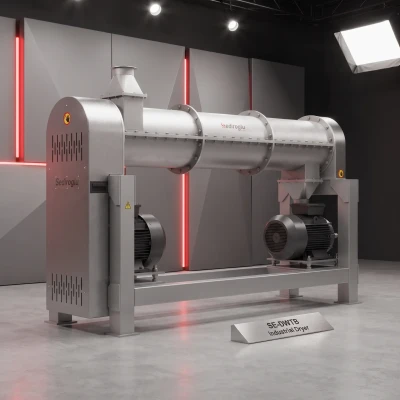
Horizontal Intensive Dampener
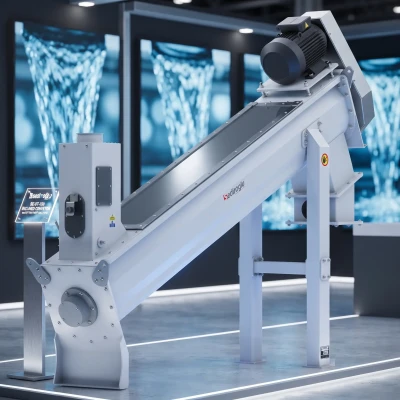
Inclined Intensive Dampener