- Sediroglu Group
- 07 August 2026
Grain Seperator Machine
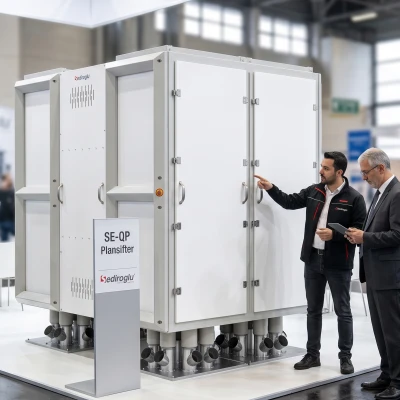
A Grain Separator Machine is an essential piece of equipment used in modern grain processing systems to separate grains from unwanted materials, impurities, and foreign particles. By improving grain cleanliness and quality, this machine helps agricultural businesses, grain processors, flour mills, and food production facilities achieve more efficient processing operations.
Grains harvested from fields often contain dust, stones, straw, husks, seeds, metal particles, and other impurities. Processing these grains without proper cleaning can reduce product quality, damage downstream machinery, and increase operational costs. A reliable grain separator provides an efficient solution by removing unwanted materials before further processing.
What Is a Grain Separator Machine?
A Grain Separator Machine is industrial equipment designed to separate grains according to their physical properties such as size, shape, weight, and density. It is commonly integrated into grain cleaning and processing lines.
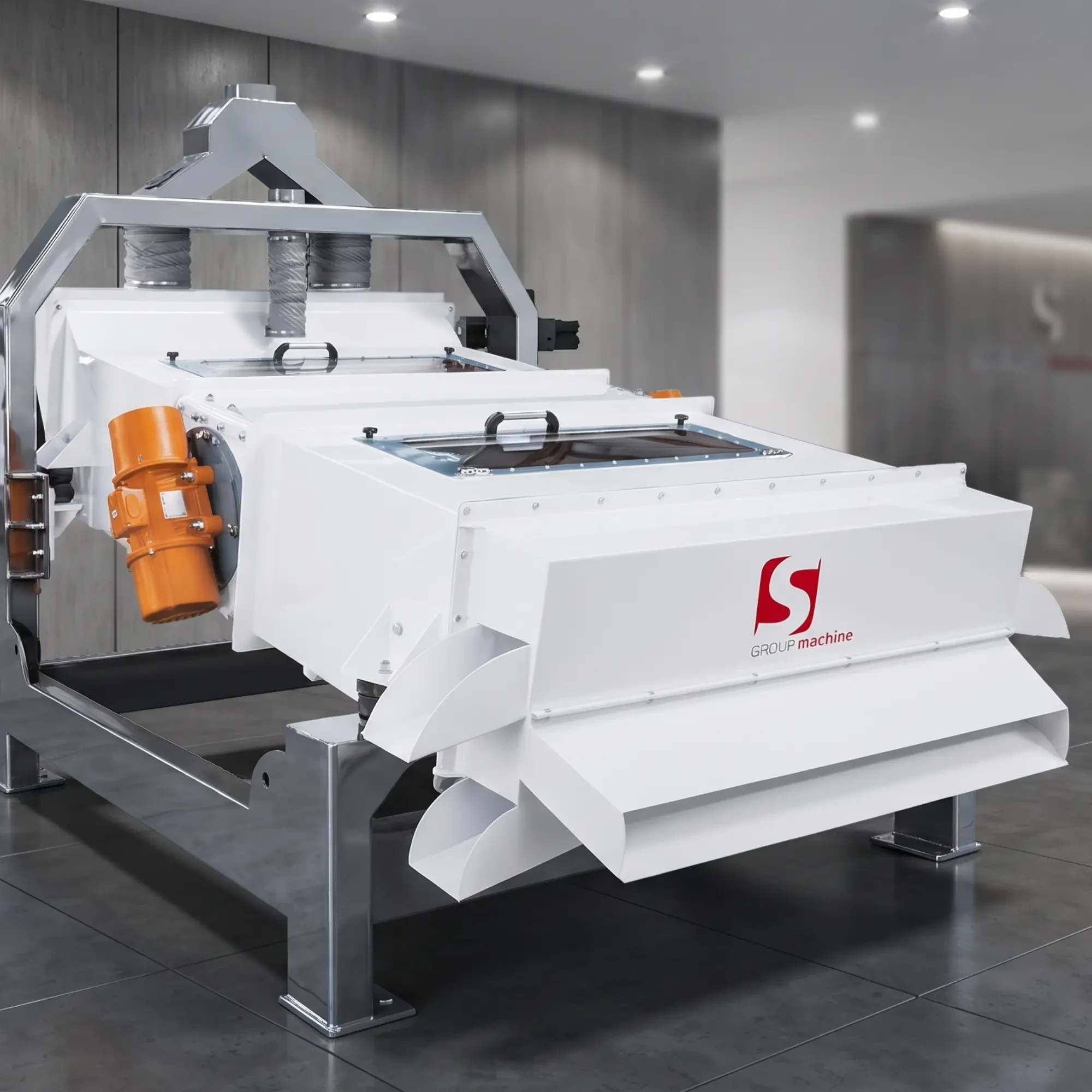
The machine uses mechanical separation principles to distinguish usable grain from unwanted materials. Depending on the machine design, separation may be performed using vibrating screens, sieves, airflow, or a combination of different technologies.
Grain separators can be used for various grains, including:
-
Wheat
-
Corn
-
Barley
-
Rice
-
Oats
-
Rye
-
Sorghum
-
Sunflower seeds
-
Pulses
-
Other agricultural seeds
The exact configuration of the machine depends on the type of grain being processed and the impurities that need to be removed.
Why Is Grain Separation Important?
Grain separation is an important stage in agricultural and industrial grain processing. Harvested grain rarely reaches processing facilities in a completely clean condition.
Foreign materials can cause several problems if they are not removed. Dust and small particles can affect product quality, while stones and metal pieces can damage expensive processing equipment.
Effective grain separation provides several benefits:
Improved Grain Quality
Removing unwanted materials improves the overall quality of the grain. Clean grain is more suitable for milling, food production, animal feed, and long-term storage.
Protection of Processing Equipment
Stones, metal particles, and other hard materials can cause serious damage to milling and processing machinery. A grain separator helps protect downstream equipment by removing these materials before they reach sensitive machines.
Increased Processing Efficiency
Clean grain can move through the production line more efficiently. Removing unnecessary materials also reduces the workload of other cleaning and processing equipment.
Reduced Waste
A properly designed separation system can separate useful grain from unwanted materials with greater accuracy, helping processors reduce unnecessary grain losses.
How Does a Grain Separator Machine Work?
The working principle of a Grain Separator Machine depends on its design. However, most systems use differences in particle size, weight, shape, or density to separate materials.
The grain is first introduced into the machine through an inlet. A controlled feeding system distributes the material evenly across the separation surface.
The machine then separates the incoming material using screens, sieves, airflow, or mechanical movement.
Larger particles such as stones, straw, and other foreign objects can be separated from the grain. Smaller unwanted particles may also pass through dedicated screening sections.
After separation, the cleaned grain continues to the next stage of the processing line, while the removed impurities are collected separately.
This process can be continuous, allowing the machine to operate as part of a larger automated grain processing system.
Main Components of a Grain Separator
Although machine designs vary, a typical grain separator may include several important components.
Feeding System
The feeding system controls the flow of grain entering the machine. Uniform feeding is important because it allows the separation mechanism to operate more efficiently.
Separation Screens
Screens or sieves are used to classify materials according to particle size. Different screen openings can be selected depending on the grain and impurities being processed.
Vibrating Mechanism
Some grain separator machines use controlled vibration to move the grain across the screening surface. This movement helps distribute the material and improve separation.
Airflow System
Certain separator designs use air to separate lighter materials from heavier grains. Dust, husks, straw, and other lightweight particles can be removed through controlled airflow.
Discharge System
After separation, clean grain and unwanted materials are discharged through separate outlets. This makes it easier to integrate the machine into a complete grain processing system.
Applications of Grain Separator Machines
Grain Separator Machines are widely used in agriculture and food processing.
Flour Mills
In flour mills, grain must be cleaned before milling. A separator can remove foreign materials and help prepare wheat for subsequent cleaning and milling processes.
Grain Processing Plants
Large grain processing facilities use separation equipment to improve the quality of incoming raw materials.
Agricultural Farms
Farmers can use grain cleaning and separation equipment to prepare harvested crops for storage, sale, or further processing.
Seed Processing
Seed processors need high-quality separation systems to remove unwanted seeds, debris, and other foreign materials.
Animal Feed Production
Clean raw materials are important in feed production. Grain separators can help prepare cereals and other agricultural products before they enter the feed manufacturing process.
Grain Separator vs. Grain Cleaner
Although the terms grain separator and grain cleaner are sometimes used interchangeably, they can describe different functions depending on the processing system.
A grain separator generally focuses on separating materials based on physical characteristics such as size, shape, weight, or density.
A grain cleaning system may include several different machines working together. For example, a complete grain cleaning line may contain:
-
Grain separators
-
Destoners
-
Magnetic separators
-
Aspirators
-
Scourers
-
Grading machines
-
Screening systems
Therefore, a Grain Separator Machine can be an important component within a complete grain cleaning plant.
Benefits of Using a Grain Separator Machine
Investing in suitable grain separation equipment can provide significant operational advantages.
1. Consistent Separation
Modern machines are designed to provide stable separation performance during continuous operation.
2. Higher Product Quality
Removing foreign materials helps improve the cleanliness and quality of the final grain product.
3. Lower Maintenance Requirements
Removing hard contaminants before they reach downstream machinery can reduce mechanical wear and unexpected maintenance.
4. Better Production Efficiency
Automated grain separation can process large quantities of material more efficiently than manual cleaning methods.
5. Flexible Operation
Many machines can be configured with different screens or operating parameters to handle different types of grains.
6. Easy Integration
Grain separators can often be integrated into existing grain cleaning and processing lines.
Factors to Consider When Choosing a Grain Separator Machine
Selecting the right machine requires consideration of several factors.
Grain Type
Different grains have different physical characteristics. A machine designed for wheat may require different settings from equipment used for corn, rice, or pulses.
Processing Capacity
The required capacity should match the production line. Capacity is generally considered in terms of the amount of grain processed per hour.
Type of Impurities
The machine should be suitable for removing the specific impurities found in the raw grain. These may include dust, stones, husks, straw, broken grains, or other foreign materials.
Machine Construction
Durable construction is important for industrial environments. Machines operating continuously should be manufactured from materials suitable for demanding agricultural and processing applications.
Maintenance and Cleaning
Easy access to screens, internal components, and inspection points can simplify routine maintenance and cleaning.
Energy Efficiency
Energy consumption should also be considered when selecting equipment for a large-scale grain processing facility.
Grain Separator Machine in Modern Grain Processing
Modern grain processing facilities increasingly rely on automated systems to improve productivity and consistency. A Grain Separator Machine can be connected with conveyors, elevators, storage systems, and other cleaning equipment.
Automation allows operators to monitor material flow and control machine settings more efficiently. In larger facilities, multiple machines can work together as part of an integrated grain cleaning line.
This approach reduces manual intervention and helps maintain consistent processing conditions.
Maintenance of a Grain Separator Machine
Regular maintenance is important for reliable machine performance.
Operators should regularly inspect:
-
Separation screens
-
Bearings
-
Vibrating components
-
Feeding mechanisms
-
Discharge outlets
-
Airflow systems
-
Bolts and mechanical connections
Screens should be cleaned regularly to prevent blockages. Accumulated dust and grain residues should also be removed from the machine.
Following the manufacturer's maintenance recommendations can help extend equipment service life and reduce unexpected downtime.
Importance of Proper Grain Cleaning Before Storage
Grain cleaning is not only important for processing but also for storage. Foreign materials and excessive dust can negatively affect storage conditions.
Clean grain is generally easier to manage during storage and handling. Removing unwanted materials before storage can also help improve the efficiency of subsequent processing operations.
For farms and grain storage facilities, combining grain separation with appropriate drying, handling, and storage practices can contribute to better grain management.
Grain Separator Machine for Industrial Applications
Industrial grain processing requires equipment capable of handling large quantities of raw material while maintaining consistent performance.
A properly selected Grain Separator Machine can serve as an important first-stage or intermediate cleaning solution. When combined with other grain cleaning technologies, it can contribute to a comprehensive processing system.
For businesses processing wheat, corn, barley, rice, seeds, or other agricultural products, selecting equipment based on capacity, grain characteristics, impurity type, and processing requirements is essential.
Conclusion
A Grain Separator Machine plays an important role in modern grain cleaning and processing. By separating grains from foreign materials and unwanted particles, it helps improve product quality, protect processing equipment, and increase overall operational efficiency.
Whether used on a farm, in a flour mill, seed processing facility, grain storage operation, or large industrial plant, the right grain separator can become an important part of an efficient grain processing system.
When choosing a machine, businesses should consider the type of grain, required processing capacity, impurities, machine construction, maintenance requirements, and compatibility with the existing production line.
With the right equipment and proper maintenance, grain separation can become a reliable and efficient step toward producing cleaner, higher-quality agricultural products.
Frequently Asked Questions About Industrial Flour and Feed Milling Technologies
"At Sediroglu Group, we provide turnkey solutions including flour and feed mill equipment, conveying section equipment, grinding section equipment, and packaging section equipment. We have compiled the most frequently asked questions about our high-efficiency solutions, technical details, and capacity options tailored to your facility. If you have any further questions or require technical consultancy for your project, please contact our expert team."
A Grain Separator Machine is used to separate grains from dust, stones, straw, seeds, and other unwanted materials.
It separates materials based on differences in size, weight, shape, and density using screens, sieves, airflow, or mechanical movement.
It can be used for wheat, corn, barley, rice, oats, rye, sorghum, pulses, and various agricultural seeds.
It improves grain quality, protects processing equipment, reduces impurities, and increases overall processing efficiency.
Blog Latest Posts
Flour Mill Grinder

Mill Grains | Grain Milling Machines & Processing Solutions