- Sediroglu Group
- 27 July 2026
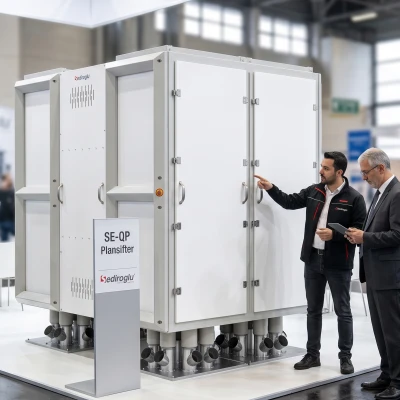
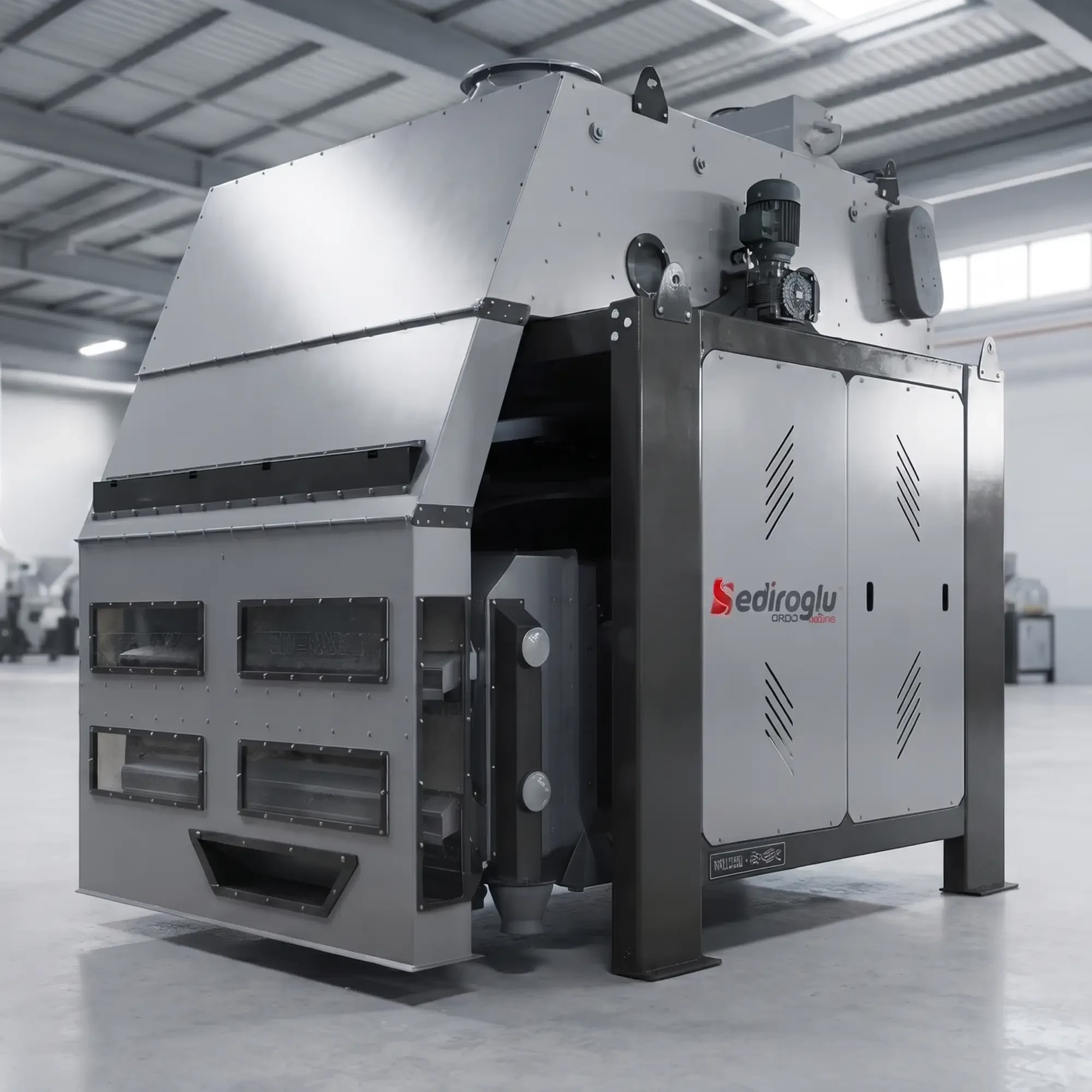
Grain Cleaning Equipment
Grain cleaning equipment plays a vital role in the grain processing industry by removing unwanted materials from harvested grains before storage, milling, or further processing. Whether processing wheat, corn, rice, barley, oats, rye, or other cereals, clean grain is essential for producing high-quality food products, maintaining equipment performance, and meeting international food safety standards.
Modern grain cleaning systems are designed to separate dust, stones, chaff, broken kernels, metal particles, and other foreign materials with high precision. These machines improve the quality of the final product while reducing waste, increasing operational efficiency, and extending the lifespan of downstream processing equipment.
This guide explains how grain cleaning equipment works, its main components, benefits, applications, and the factors to consider when selecting the right solution.
What Is Grain Cleaning Equipment?
Grain cleaning equipment refers to a range of machines used to remove impurities from raw agricultural products before they enter the processing line. Freshly harvested grain often contains unwanted materials collected during harvesting, transportation, and storage.
These impurities may include:
-
Dust and fine particles
-
Straw and chaff
-
Stones
-
Sand
-
Metal fragments
-
Broken kernels
-
Weed seeds
-
Husk residues
-
Organic contaminants
Removing these materials ensures that only clean, high-quality grain proceeds to milling, packaging, or storage.
Why Grain Cleaning Is Important
Cleaning grain is one of the most critical steps in grain processing. Poor-quality raw materials can negatively affect production efficiency, equipment reliability, and product quality.
The main advantages include:
Higher Product Quality
Clean grain produces better flour, feed, cereals, and food products with improved consistency.
Increased Processing Efficiency
Removing foreign materials allows downstream machines to operate more efficiently and with fewer interruptions.
Equipment Protection
Stones, metal particles, and hard contaminants can damage expensive milling equipment. Grain cleaning minimizes this risk.
Better Storage Conditions
Dust and organic waste can promote mold growth and insect infestation. Clean grain stores longer and more safely.
Food Safety Compliance
Modern grain cleaning helps manufacturers meet international food safety and quality standards.
Types of Grain Cleaning Equipment
Different cleaning technologies are used depending on the grain type and contamination level.
Vibrating Screen Cleaners
These machines use vibrating screens with different mesh sizes to separate impurities according to particle size.
Suitable for:
-
Wheat
-
Corn
-
Barley
-
Rice
-
Soybeans
Advantages include:
-
High capacity
-
Simple maintenance
-
Reliable performance
Air Cleaning Systems
Air aspirators remove lightweight materials using controlled airflow.
Typical contaminants include:
-
Dust
-
Chaff
-
Empty kernels
-
Fine particles
Benefits include:
-
Improved cleanliness
-
Reduced dust emissions
-
Better working environment
Destoners
Destoners separate stones and heavy foreign materials based on density differences.
They are widely used before milling operations to protect equipment.
Magnetic Separators
Magnetic systems remove ferrous metal contaminants from grain.
Applications include:
-
Flour mills
-
Feed mills
-
Seed processing plants
Rotary Drum Cleaners
Rotary cleaners separate impurities using rotating perforated drums.
Advantages include:
-
High throughput
-
Gentle grain handling
-
Efficient pre-cleaning
Gravity Separators
Gravity separators classify materials according to density.
They remove:
-
Damaged kernels
-
Immature grains
-
Insect-damaged grain
-
Heavy contaminants
Main Components of Grain Cleaning Equipment
Although designs vary, most systems include several essential components.
Feeding System
Ensures consistent grain flow into the machine.
Screening Unit
Separates materials according to particle size.
Aspiration Chamber
Uses airflow to remove lightweight contaminants.
Separation Deck
Separates materials according to density.
Discharge Outlets
Direct cleaned grain and waste into separate collection systems.
Dust Collection System
Collects airborne dust to maintain a cleaner production environment.
How Grain Cleaning Equipment Works
The cleaning process generally follows these stages:
Step 1: Grain Feeding
Raw grain enters the machine through a controlled feeding system.
Step 2: Pre-Cleaning
Large impurities such as straw and sticks are removed.
Step 3: Screening
Different screen sizes separate large and small contaminants.
Step 4: Air Separation
Dust, husks, and lightweight particles are removed by airflow.
Step 5: Density Separation
Heavy contaminants like stones are eliminated.
Step 6: Metal Removal
Magnets capture metal fragments before the grain continues to processing.
Step 7: Clean Grain Discharge
The cleaned grain is transferred to storage, milling, or packaging.
Industries Using Grain Cleaning Equipment
These systems are used across many agricultural and food industries.
Flour Mills
Clean wheat ensures higher flour quality and protects milling equipment.
Feed Production
Animal feed manufacturers require clean raw materials for consistent feed quality.
Rice Processing
Rice processors remove stones, dust, and broken kernels before polishing.
Seed Processing
Seed producers clean products to improve germination quality.
Grain Storage Facilities
Cleaning before storage reduces spoilage and insect infestation.
Food Manufacturing
Breakfast cereals, snack foods, and processed grain products all require high-quality cleaned grain.
Benefits of Modern Grain Cleaning Equipment
Modern machines provide significant operational advantages.
Higher Productivity
Automated cleaning systems process large volumes with minimal labor.
Reduced Equipment Wear
Removing abrasive materials protects expensive processing machinery.
Lower Maintenance Costs
Cleaner grain results in fewer equipment failures and reduced downtime.
Better Product Consistency
Uniform raw materials improve product quality across production batches.
Improved Hygiene
Dust collection systems create cleaner production environments.
Energy Efficiency
Modern machines consume less energy while delivering higher performance.
Factors to Consider When Choosing Grain Cleaning Equipment
Selecting the right equipment depends on several factors.
Grain Type
Different grains require different cleaning technologies.
Processing Capacity
Machine capacity should match production requirements.
Contamination Level
Heavily contaminated grain may require multi-stage cleaning systems.
Available Space
Compact machines are ideal for facilities with limited installation space.
Automation
Automated systems reduce labor costs and improve production consistency.
Maintenance
Choose equipment with easy access for cleaning and servicing.
Routine Maintenance Tips
Proper maintenance ensures reliable long-term performance.
Recommended practices include:
-
Clean screens regularly.
-
Inspect bearings and moving parts.
-
Lubricate mechanical components.
-
Replace worn screens promptly.
-
Check airflow systems.
-
Inspect magnetic separators.
-
Monitor vibration levels.
-
Keep dust collection systems clean.
Preventive maintenance reduces unexpected downtime and extends equipment life.
The Future of Grain Cleaning Equipment
Modern grain cleaning technology continues to evolve with automation and smart manufacturing.
Emerging innovations include:
-
AI-assisted sorting systems
-
Optical color sorting integration
-
IoT-enabled performance monitoring
-
Energy-efficient drive systems
-
Remote diagnostics
-
Predictive maintenance software
-
Fully automated cleaning lines
-
Sustainable dust collection technologies
These advancements improve production efficiency while supporting environmentally responsible operations.
Conclusion
Grain cleaning equipment is an essential part of modern grain processing, ensuring cleaner raw materials, higher product quality, and more efficient production. By removing dust, stones, metal fragments, and other contaminants before milling or storage, these systems protect processing equipment, reduce maintenance costs, and enhance food safety.
Whether used in flour mills, feed plants, rice processing facilities, or grain storage operations, investing in high-quality grain cleaning equipment delivers long-term operational benefits, increased productivity, and consistent product quality. As automation and smart technologies continue to develop, grain cleaning systems will remain a cornerstone of efficient and sustainable grain processing.
Frequently Asked Questions (FAQs)
1. What is grain cleaning equipment used for?
Grain cleaning equipment removes impurities such as dust, stones, metal fragments, and broken kernels from harvested grain before processing or storage.
2. Which grains can be cleaned using grain cleaning equipment?
These machines are suitable for wheat, corn, rice, barley, oats, rye, soybeans, sunflower seeds, and many other agricultural products.
3. Why is grain cleaning important before milling?
Cleaning protects milling equipment, improves flour quality, increases processing efficiency, and helps meet food safety standards.
4. What types of impurities can grain cleaning equipment remove?
It can remove dust, chaff, straw, stones, sand, weed seeds, broken kernels, metal particles, and other foreign materials.
5. How do I choose the right grain cleaning equipment?
Consider the grain type, processing capacity, contamination level, available space, automation requirements, maintenance needs, and future production goals when selecting a machine.
Frequently Asked Questions About Industrial Flour and Feed Milling Technologies
"At Sediroglu Group, we provide turnkey solutions including flour and feed mill equipment, conveying section equipment, grinding section equipment, and packaging section equipment. We have compiled the most frequently asked questions about our high-efficiency solutions, technical details, and capacity options tailored to your facility. If you have any further questions or require technical consultancy for your project, please contact our expert team."
Grain cleaning equipment removes dust, stones, chaff, and other impurities from harvested grain before processing or storage.
It is suitable for wheat, corn, rice, barley, oats, soybeans, sunflower seeds, and many other grains.
Cleaning improves product quality, protects processing equipment, increases efficiency, and supports food safety standards.
It uses screening, airflow, gravity separation, and magnetic systems to remove contaminants from raw grain.
Grain cleaning equipment is widely used in flour mills, feed mills, grain storage facilities, seed processing plants, and food manufacturing industries.
Blog Latest Posts
Flour Mill Grinder
Mill Grains | Grain Milling Machines & Processing Solutions