- Sediroglu Group
- 28 June 2026
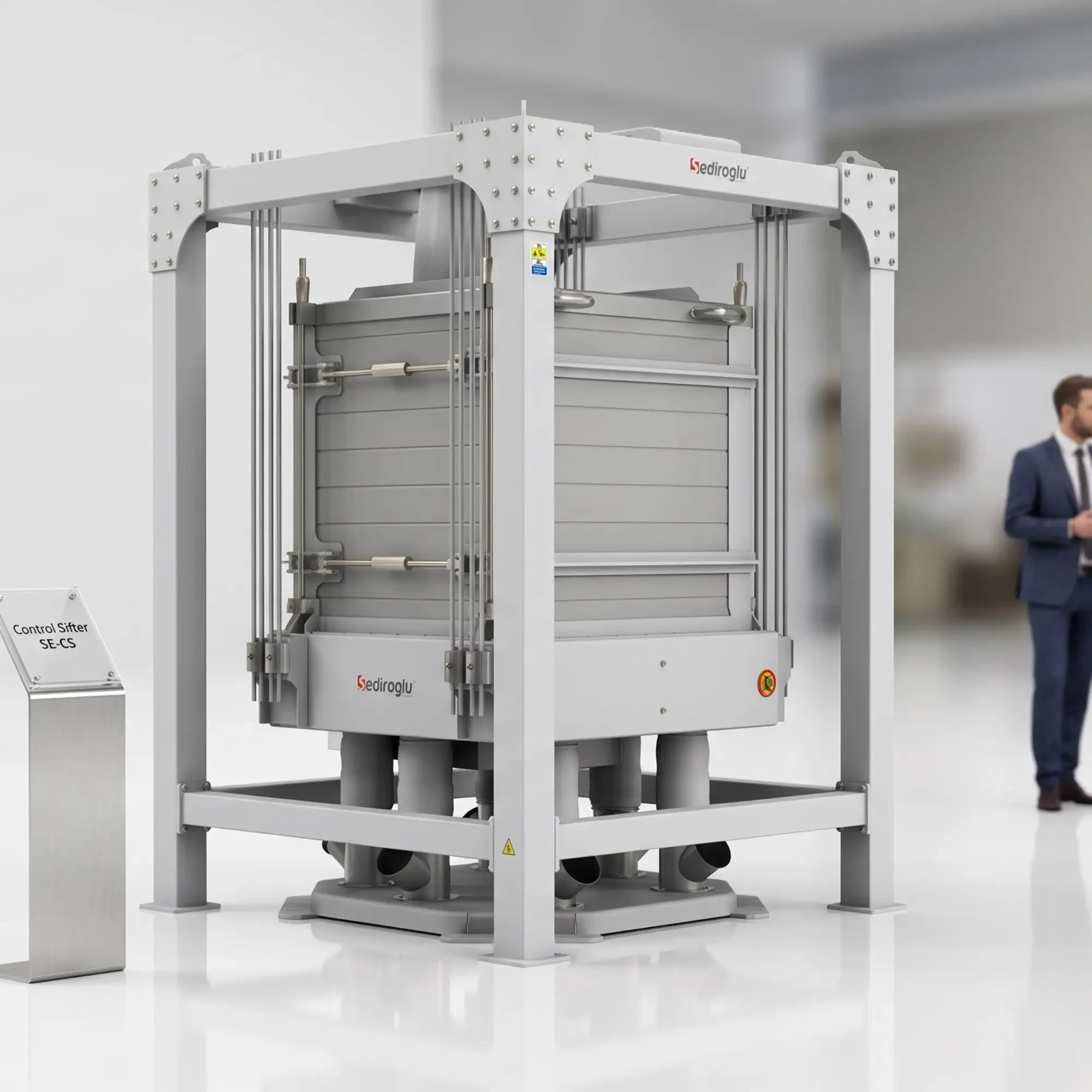
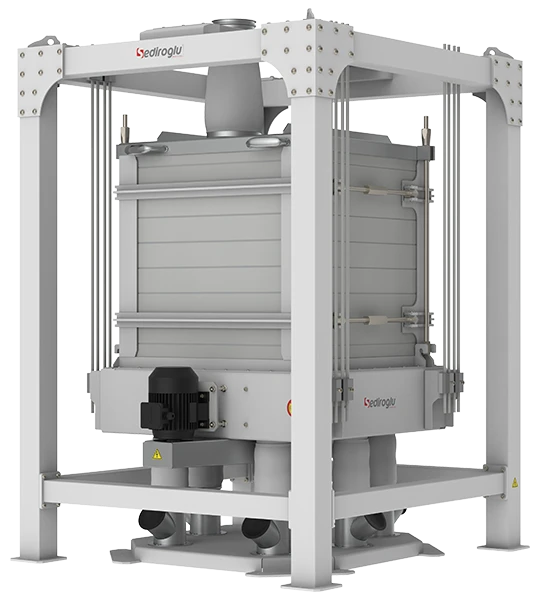
Control Sifter
Control Sifter, In today's competitive food, chemical, pharmaceutical, and industrial manufacturing sectors, maintaining consistent product quality is one of the most important factors for success. Every stage of production must be carefully monitored to ensure that the final product meets strict quality standards while complying with international regulations. One of the essential machines that contributes to this goal is the Control Sifter.
A Control Sifter is specifically designed to inspect finished products before packaging or further processing. It removes oversized particles, foreign materials, agglomerates, and unwanted contaminants, ensuring that only high-quality materials reach customers. Whether used in flour mills, grain processing plants, spice factories, chemical production facilities, or pharmaceutical manufacturing, this equipment plays a crucial role in quality assurance.
This article explores the working principles, applications, advantages, components, maintenance practices, and frequently asked questions about Control Sifters.
What Is a Control Sifter?
A Control Sifter is a screening machine used as a final quality control step in production lines. Its primary purpose is to separate unwanted particles from processed materials before they are packaged or transported.
Unlike primary screening machines that classify raw materials into different sizes, a Control Sifter focuses on ensuring product purity. It acts as the final inspection point to detect impurities that may have entered the production process.
Control Sifters are commonly installed after:
-
Flour milling systems
-
Powder processing lines
-
Grain cleaning systems
-
Spice production
-
Feed manufacturing
-
Chemical powder production
-
Pharmaceutical processing
-
Food ingredient production
The machine ensures every batch maintains consistent particle size and cleanliness.
Why Is a Control Sifter Important?
Quality control has become increasingly important as food safety regulations become stricter worldwide. Even a small foreign object can result in product recalls, customer complaints, or damage to a company's reputation.
A Control Sifter helps manufacturers:
-
Improve product consistency
-
Prevent contamination
-
Protect processing equipment
-
Meet food safety standards
-
Increase customer satisfaction
-
Reduce waste
-
Lower production risks
Because of these benefits, Control Sifters have become standard equipment in modern processing facilities.
How Does a Control Sifter Work?
Although designs vary between manufacturers, the operating principle remains relatively simple.
The material enters the machine through the inlet and spreads evenly across a specially designed screen. A vibration or rotary motion moves the material over the screening surface.
Particles that meet the required size pass through the screen openings.
Oversized materials remain on top of the screen and move toward the discharge outlet.
Foreign objects such as:
-
Plastic pieces
-
Metal fragments
-
Paper
-
String
-
Large grain particles
-
Hardened lumps
are automatically separated from the finished product.
The screened product exits the machine ready for packaging or further handling.
Main Components of a Control Sifter
A Control Sifter consists of several important components that work together to ensure reliable performance.
Feeding Inlet
The inlet distributes incoming material evenly across the screen to maximize screening efficiency.
Screening Mesh
The mesh is the heart of the machine. Different mesh sizes can be installed depending on the product requirements.
Materials include:
-
Stainless steel woven mesh
-
Perforated metal
-
High-strength synthetic materials
Vibration System
The vibration mechanism keeps materials moving continuously while preventing screen blockage.
Outlet
The outlet allows clean product to leave the machine.
Reject Outlet
Oversized particles and contaminants are discharged separately without mixing with acceptable material.
Frame
Heavy-duty steel construction provides stability while minimizing vibration.
Industries That Use Control Sifters
Control Sifters are used across many industrial sectors.
Flour Milling
Flour mills use Control Sifters to remove foreign particles before flour enters packaging machines.
Grain Processing
Wheat, corn, barley, oats, rye, and rice processors use them to ensure uniform particle quality.
Feed Production
Animal feed manufacturers eliminate contaminants before packaging finished feed.
Food Industry
Applications include:
-
Sugar
-
Salt
-
Cocoa
-
Coffee
-
Starch
-
Baking mixes
-
Milk powder
Spice Processing
Control Sifters remove unwanted fibers, stems, and oversized particles from spices.
Chemical Industry
Powdered chemicals require consistent particle size for proper performance.
Pharmaceutical Industry
Medicinal powders require strict quality control before tablet or capsule production.
Advantages of Using a Control Sifter
Installing a Control Sifter provides numerous operational benefits.
Improved Product Quality
Customers receive products with consistent particle size and cleanliness.
Better Food Safety
Foreign material contamination is significantly reduced.
Increased Customer Confidence
High-quality products strengthen brand reputation.
Reduced Product Recalls
Final inspection minimizes the risk of defective products reaching customers.
High Screening Accuracy
Modern machines achieve excellent separation efficiency.
Continuous Production
Control Sifters operate continuously with minimal interruption.
Easy Maintenance
Simple construction makes inspection and cleaning quick.
Hygienic Design
Food-grade stainless steel surfaces simplify sanitation.
Types of Control Sifters
Manufacturers offer several designs depending on production needs.
Vibratory Control Sifter
Uses controlled vibration for efficient separation.
Ideal for:
-
Flour
-
Sugar
-
Spices
-
Milk powder
Rotary Control Sifter
Employs rotating paddles to move material through the screen.
Common in:
-
Feed production
-
Chemical powders
Centrifugal Control Sifter
Uses centrifugal force for high-capacity screening.
Suitable for large-scale industrial plants.
Choosing the Right Control Sifter
Selecting the appropriate machine depends on several factors.
Product Type
Different products require different screen sizes.
Capacity
Production volume determines machine size.
Particle Size
Mesh opening must match product specifications.
Moisture Content
Wet materials may require special screen designs.
Hygiene Requirements
Food and pharmaceutical industries require stainless steel construction.
Maintenance Access
Machines should allow rapid screen replacement and cleaning.
Maintenance Tips
Proper maintenance ensures long service life.
Daily maintenance includes:
-
Cleaning screens
-
Checking vibration
-
Inspecting discharge outlets
-
Removing accumulated dust
Weekly maintenance:
-
Tightening bolts
-
Inspecting bearings
-
Lubricating moving components
Monthly maintenance:
-
Checking motor alignment
-
Inspecting screen wear
-
Testing vibration performance
Annual maintenance:
-
Replacing worn bearings
-
Full structural inspection
-
Calibration of moving components
Preventive maintenance minimizes downtime and extends equipment life.
Common Problems and Solutions
Screen Blockage
Cause:
Fine powders or high moisture.
Solution:
Regular cleaning and proper mesh selection.
Low Screening Efficiency
Cause:
Damaged screen.
Solution:
Replace worn mesh.
Excessive Vibration
Cause:
Loose mounting bolts.
Solution:
Retighten machine components.
Product Leakage
Cause:
Worn seals.
Solution:
Install new food-grade seals.
Motor Overheating
Cause:
Overloading or poor ventilation.
Solution:
Reduce feed rate and improve airflow.
Hygienic Design Features
Modern Control Sifters incorporate hygienic features including:
-
Stainless steel construction
-
Smooth internal surfaces
-
Dust-tight seals
-
Easy-access inspection doors
-
Quick screen replacement
-
Tool-free cleaning systems
These features support compliance with international food safety regulations.
Automation and Smart Technology
Many modern Control Sifters now integrate with automated production systems.
Advanced features include:
-
PLC control
-
Automatic alarms
-
Vibration monitoring
-
Motor protection
-
Production monitoring
-
Remote diagnostics
-
Digital maintenance scheduling
These technologies improve operational efficiency while reducing manual intervention.
Environmental Benefits
Control Sifters also contribute to sustainable manufacturing by:
-
Reducing product waste
-
Improving energy efficiency
-
Lowering rejected material
-
Supporting recyclable product recovery
-
Minimizing contamination
These advantages help manufacturers achieve environmental goals while lowering operating costs.
Future Trends
As Industry 4.0 continues to transform manufacturing, Control Sifters are becoming increasingly intelligent.
Future developments include:
-
AI-assisted monitoring
-
Predictive maintenance
-
Smart sensors
-
IoT connectivity
-
Cloud-based production tracking
-
Automatic quality reporting
-
Self-adjusting vibration systems
These innovations will further enhance productivity and product quality.
Conclusion
A Control Sifter is an essential quality assurance machine that ensures processed products meet the highest standards before packaging or shipment. By removing oversized particles, contaminants, and foreign materials, it protects both manufacturers and consumers while improving operational efficiency.
Its wide range of applications across flour milling, food processing, pharmaceuticals, chemicals, and feed production makes it an indispensable component of modern manufacturing facilities. With hygienic construction, reliable screening performance, low maintenance requirements, and compatibility with automated production systems, a Control Sifter represents a valuable investment for businesses focused on quality, safety, and long-term productivity.
Frequently Asked Questions (FAQs)
1. What is the primary purpose of a Control Sifter?
A Control Sifter is used as a final quality control machine to remove oversized particles, contaminants, and foreign materials before products are packaged or further processed.
2. Which industries commonly use Control Sifters?
Control Sifters are widely used in flour milling, grain processing, food production, pharmaceuticals, chemical manufacturing, feed production, spice processing, and powder handling industries.
3. How often should a Control Sifter be maintained?
Basic cleaning should be performed daily, routine inspections weekly, preventive maintenance monthly, and a comprehensive service at least once a year, depending on operating conditions.
4. Can a Control Sifter handle different products?
Yes. By changing the screen mesh size and adjusting operating parameters, a Control Sifter can efficiently process various powders, grains, spices, chemicals, and food ingredients.
5. Why is a Control Sifter important for food safety?
It removes unwanted contaminants, oversized particles, and foreign objects from finished products, helping manufacturers comply with food safety standards, improve product consistency, and reduce the risk of customer complaints or product recalls. For more detailed information, you can visit the product page or follow us on facebook to stay updated with our latest products, innovations, and industry news.
Blog Latest Posts
Flour Mill Grinder
Mill Grains | Grain Milling Machines & Processing Solutions